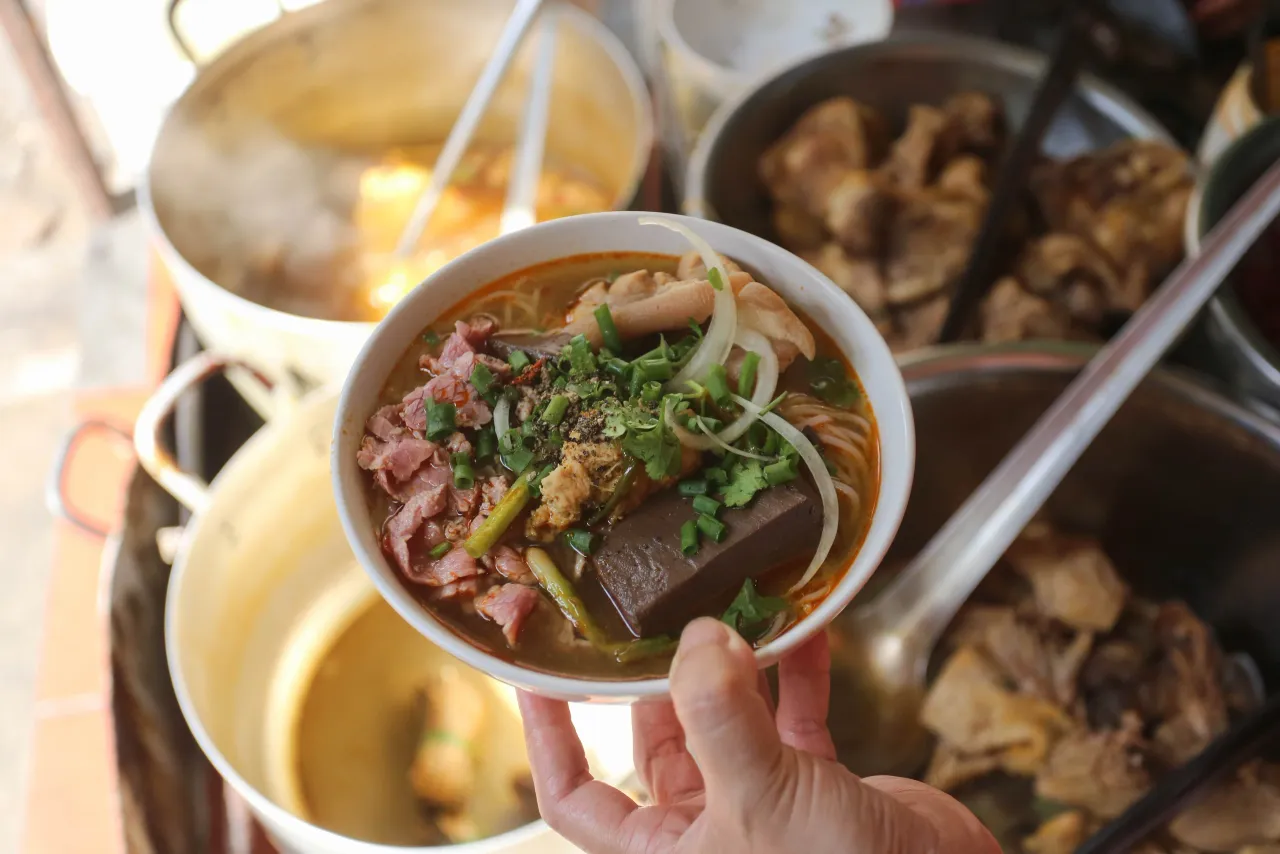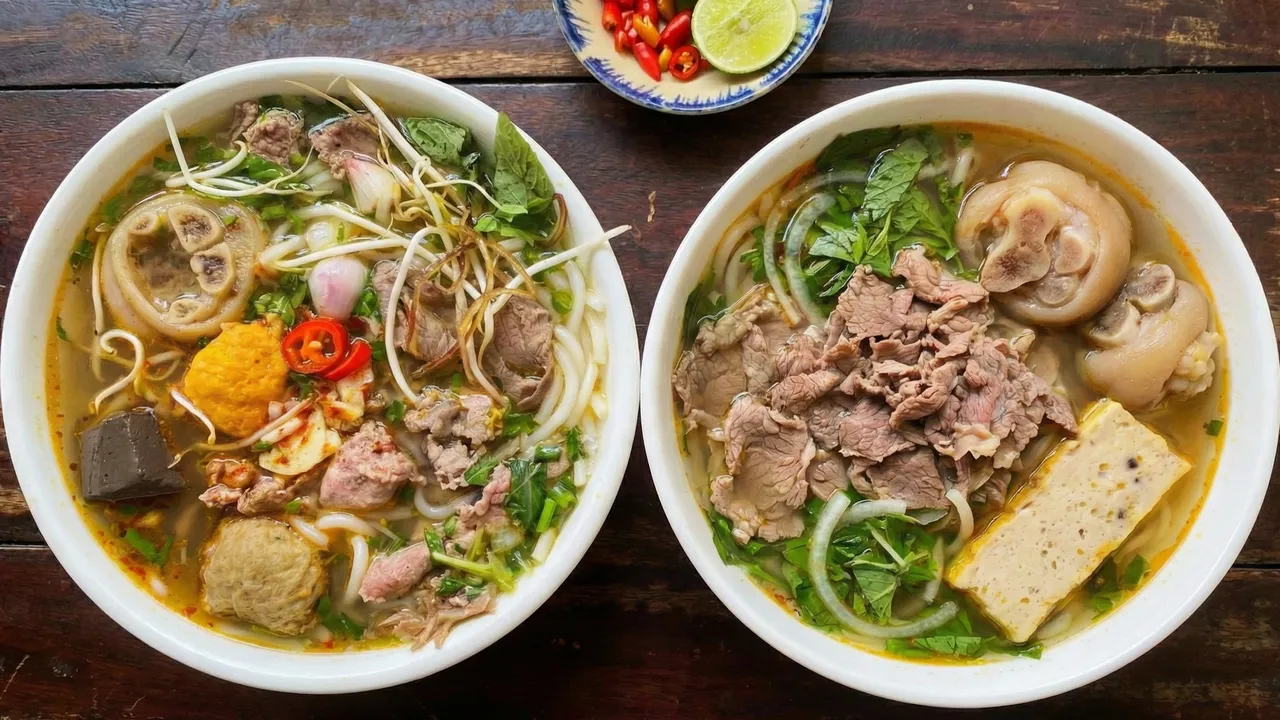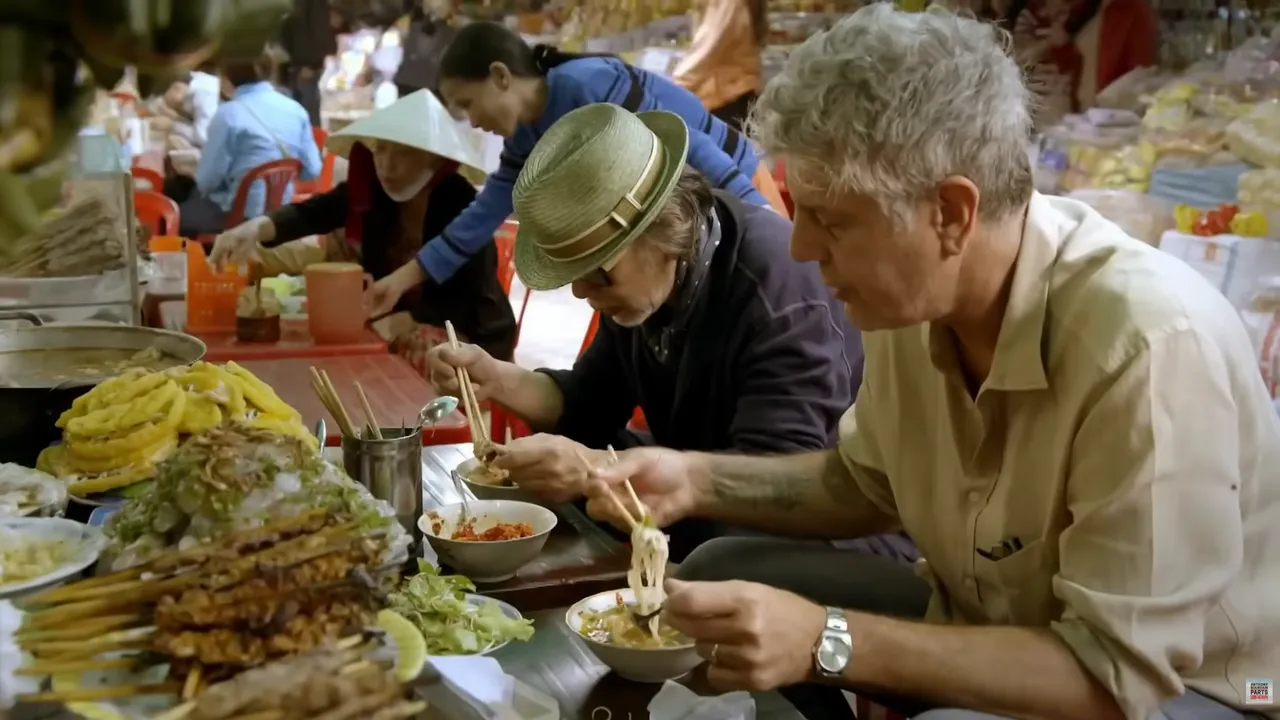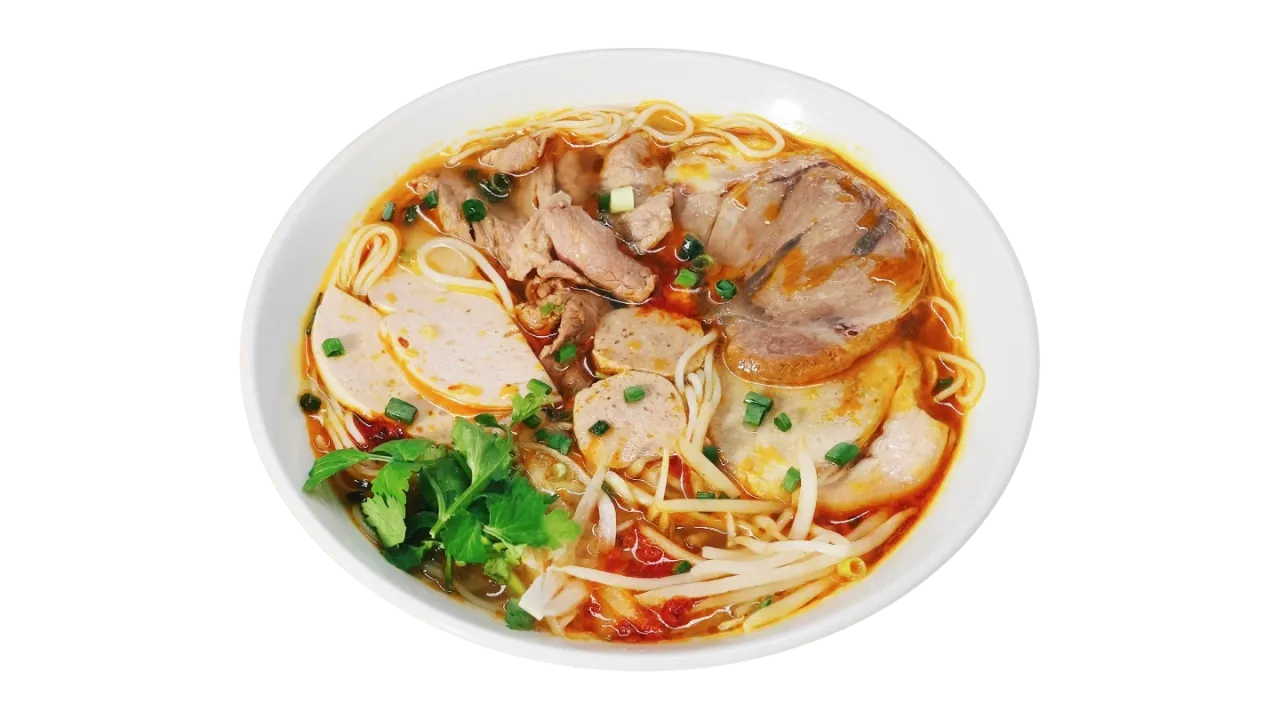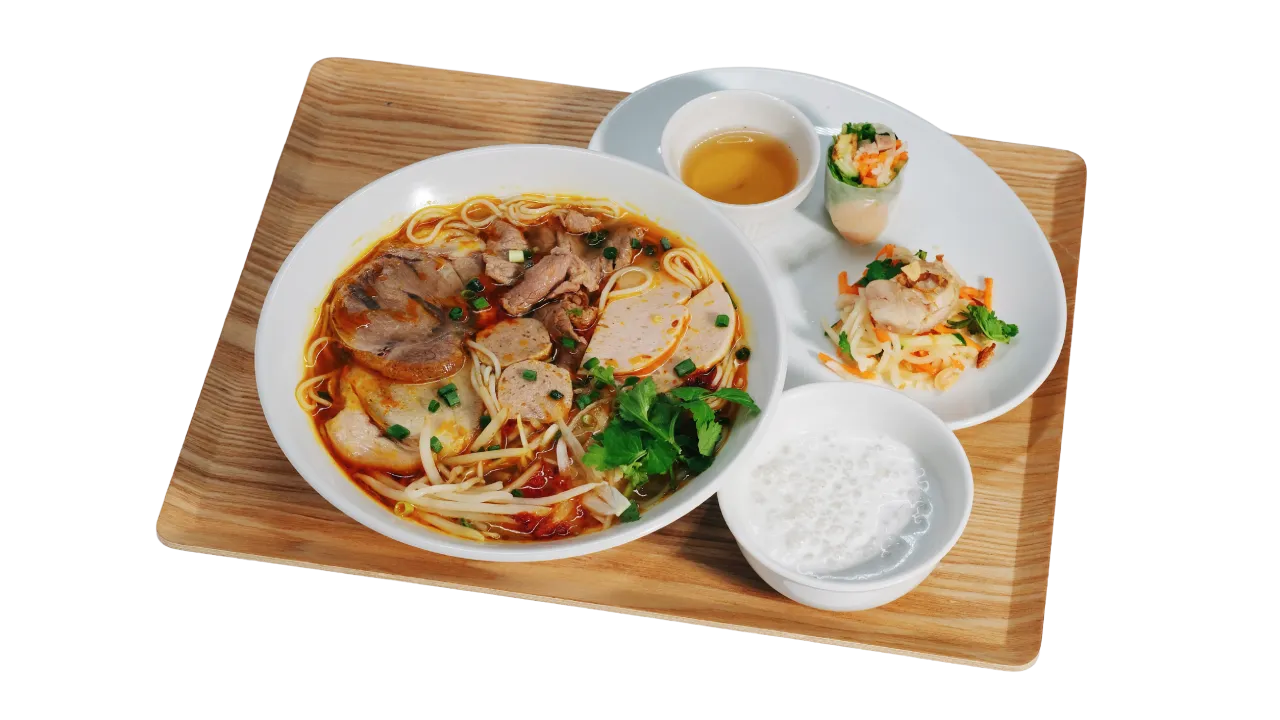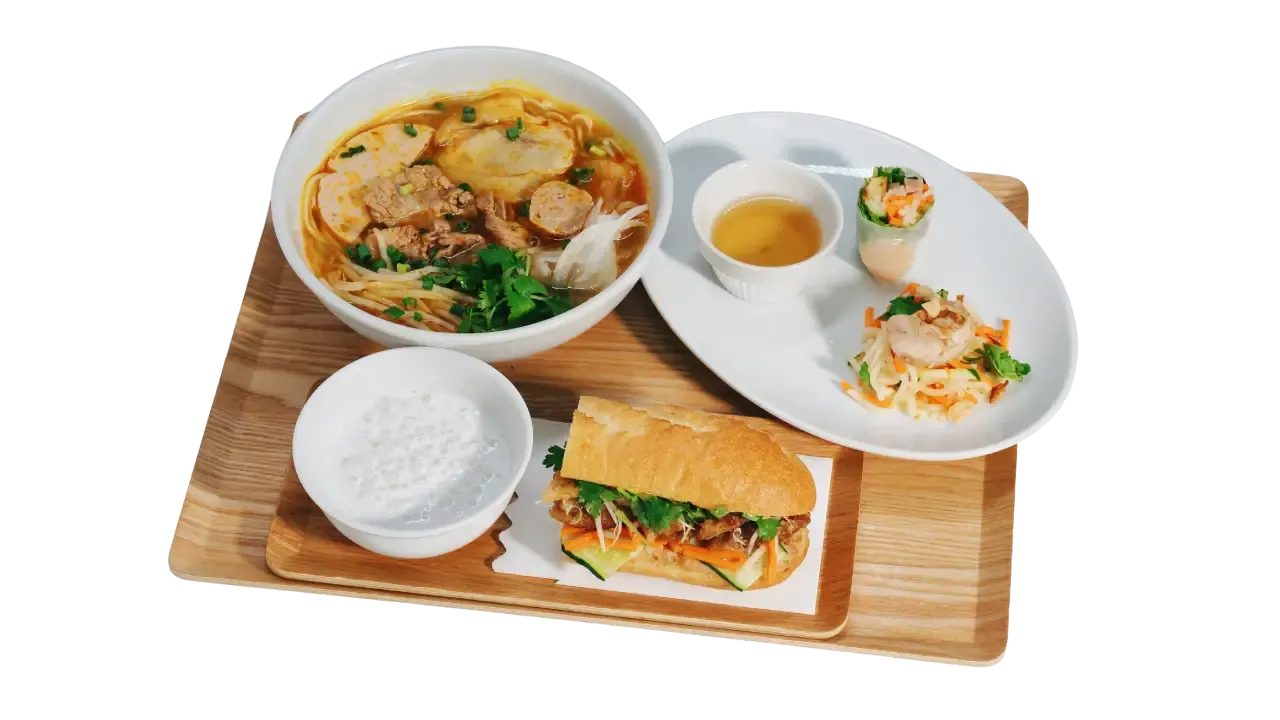
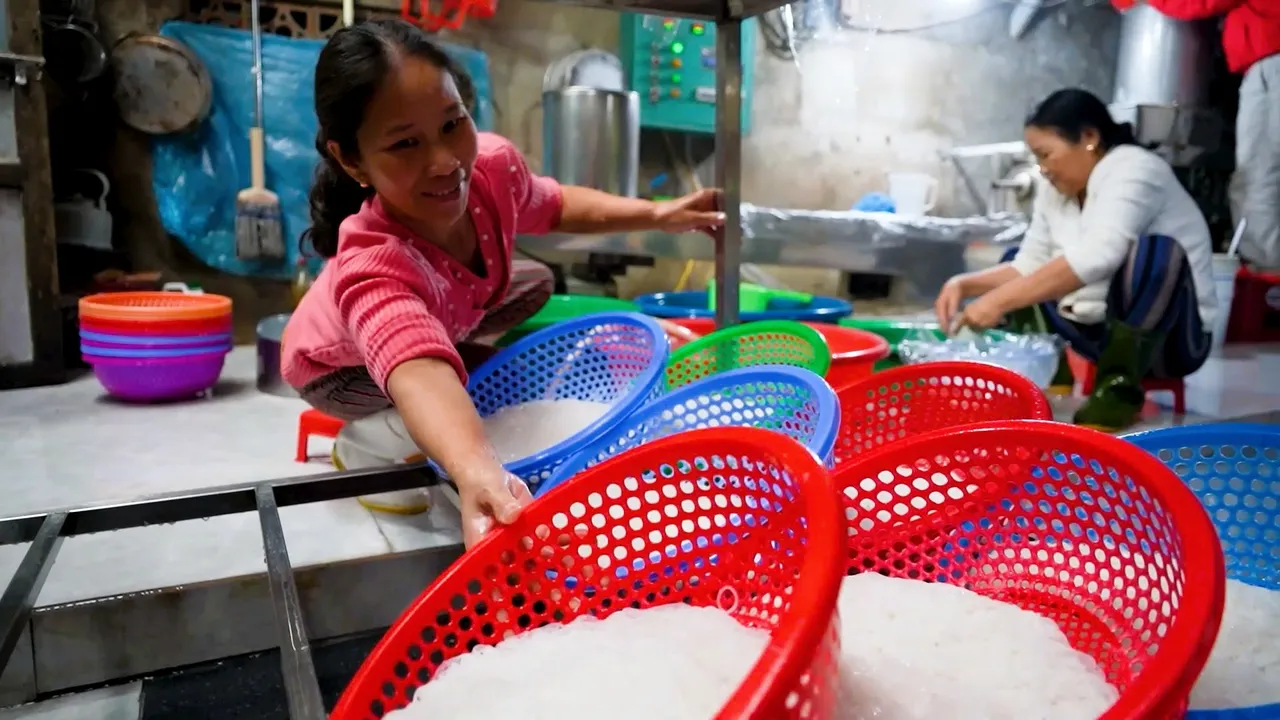
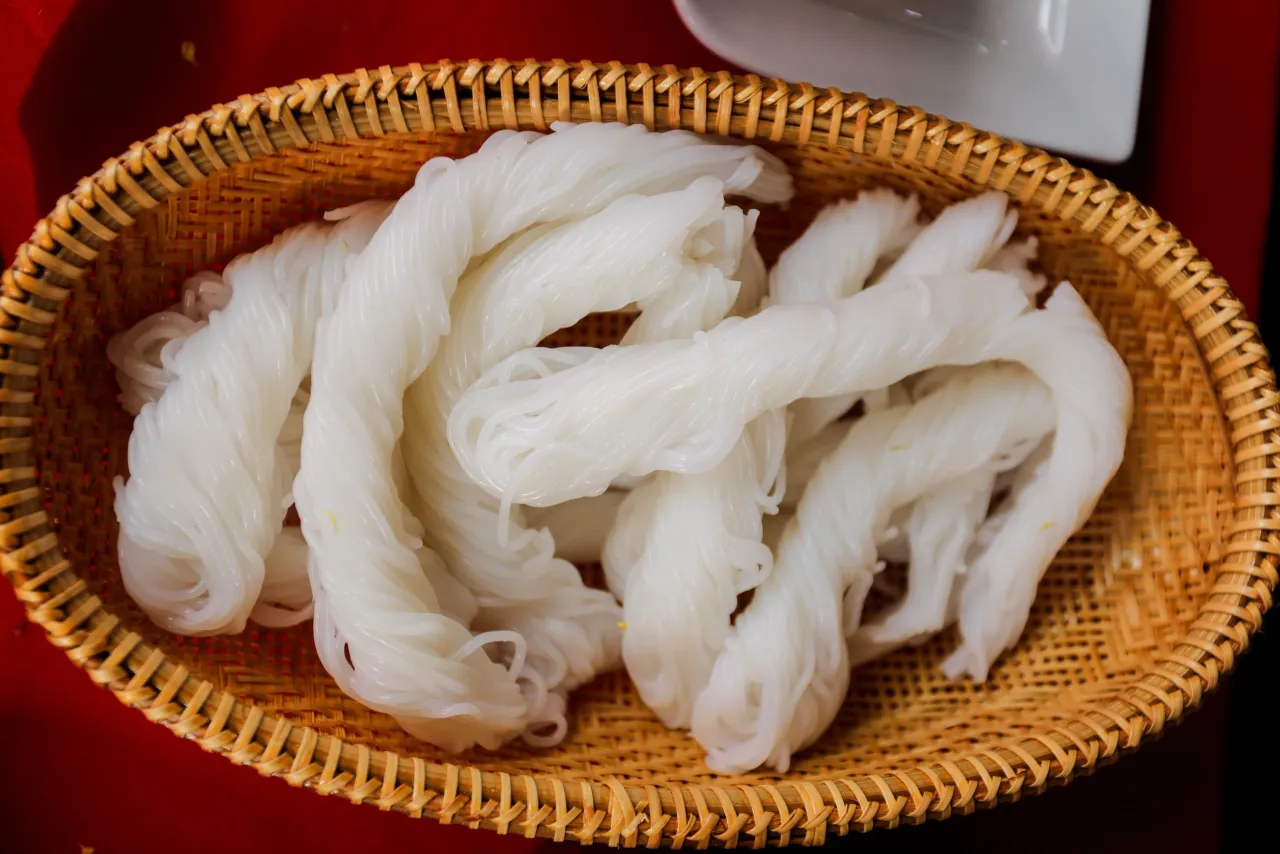
If the broth is likened to the soul, then the noodle strand is the body that lends completeness to a bowl of Bun Bo Hue. Many gourmets tell each other that no matter where you go, eating Bun Bo elsewhere rarely replicates the feeling of sitting and eating it right in Hue. That difference largely stems from the pristine white, chewy noodles born in an ancient village Quietly nestled by the Bo River: Van Cu village [2] [7].
Today, we invite you to join Banh Mi Xin Chao to visit the place that created this essential ingredient and listen to the rustic craft stories imbued with the warm humanity of the ancient capital.
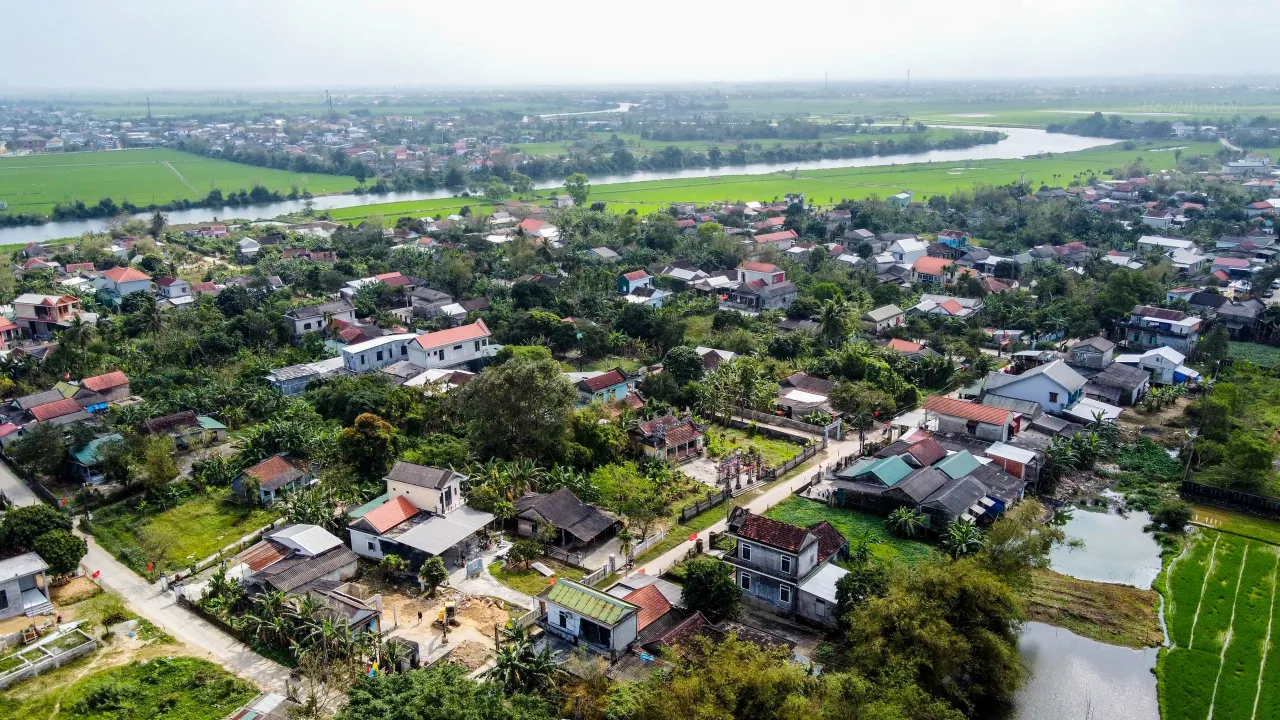
The legend of Lady Bun and the village's "pearl strand"
Recalling the story from the previous article, after leaving Co Thap village with five strong young men carrying a heavy stone mortar, that talented woman – Ms. Bun (Lady Noodle) – traveled continuously eastward along the Bo River. When they reached the land that is now Huong Toan commune, Huong Tra town, the exhausted group stopped to rest. Realizing that this place had cool blue river water and lush vegetation, she decided to choose this land to settle down and establish her livelihood. From then on, the Van Cu noodle-making craft was born and has been preserved by her descendants for over 400 years [1] [5].
What makes the reputation of Van Cu noodles lies not in high technology, but in the meticulousness and heart of the artisans, combined with very interesting "secrets" of food science.
First is the choice of rice. The villagers insisted on using Khang Dan rice (locally known as field rice). This is a short-term rice variety; when cooked as regular rice, it is dry, but when used to make noodles, it provides perfect binding and a natural ivory-white color [5] [7].
The noodle-making process here involves unique techniques for treating ingredients:
- Raw Salt: After soaking the rice thoroughly for 2 days, the artisan will mix in raw coarse salt. In terms of food chemistry, salt not only helps eliminate sourness and inhibit bacteria to preserve the noodles longer under natural conditions but also creates a rich flavor right from within the noodle core.
- Tapioca Starch Ratio: For the noodle strand to achieve a texture that is "clear white, glossy, chewy but not tough," Van Cu people mix a certain proportion of tapioca starch (bột lọc) into the rice flour. This ratio has no fixed formula but depends entirely on the feel and experience of the artisan, helping the noodle strand maintain its shape, remaining soft without becoming mushy when hot broth is poured over it.
The story of the father-son smiths and the legendary "crab rye" pot
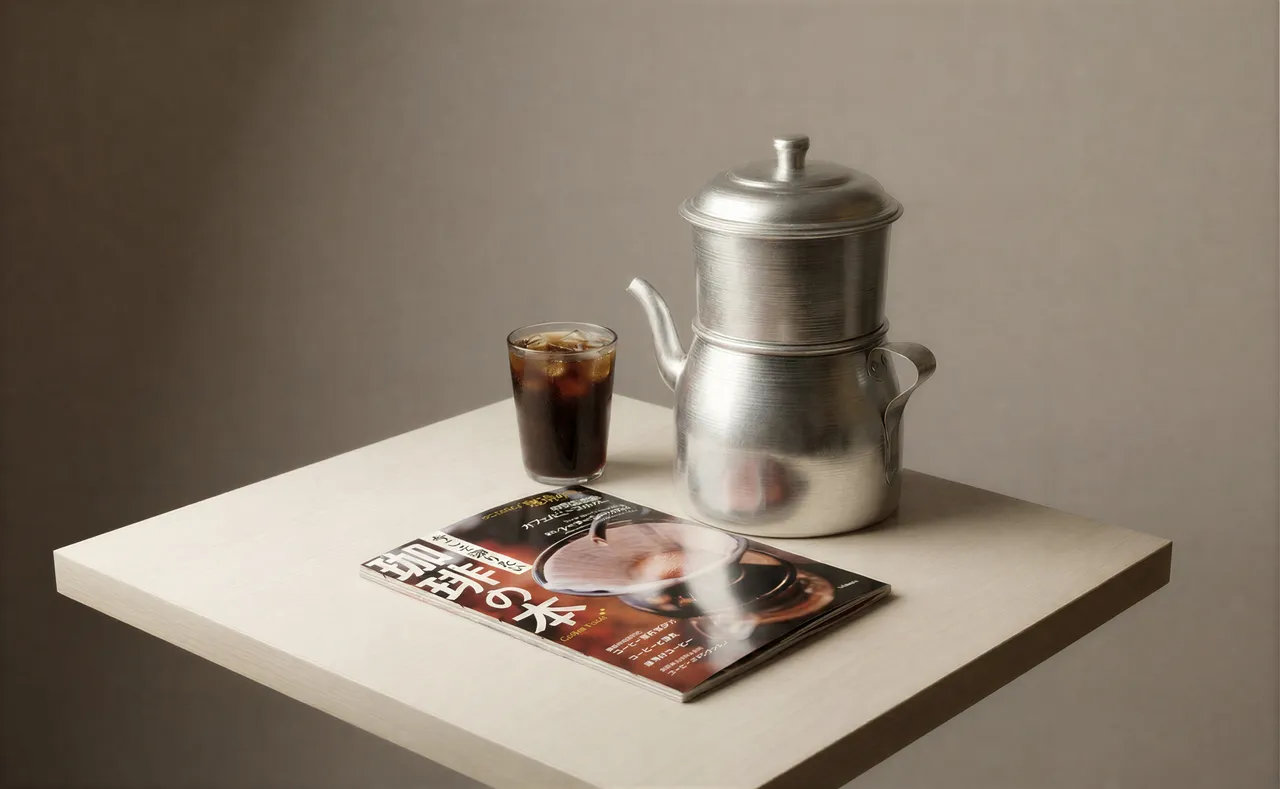
Having delicious noodles is one thing, but to cook authentic broth, the people of Hue also need another effective "assistant." That is the meticulously hand-forged aluminum pot, originating from the Đúc Ward (Phường Đúc).
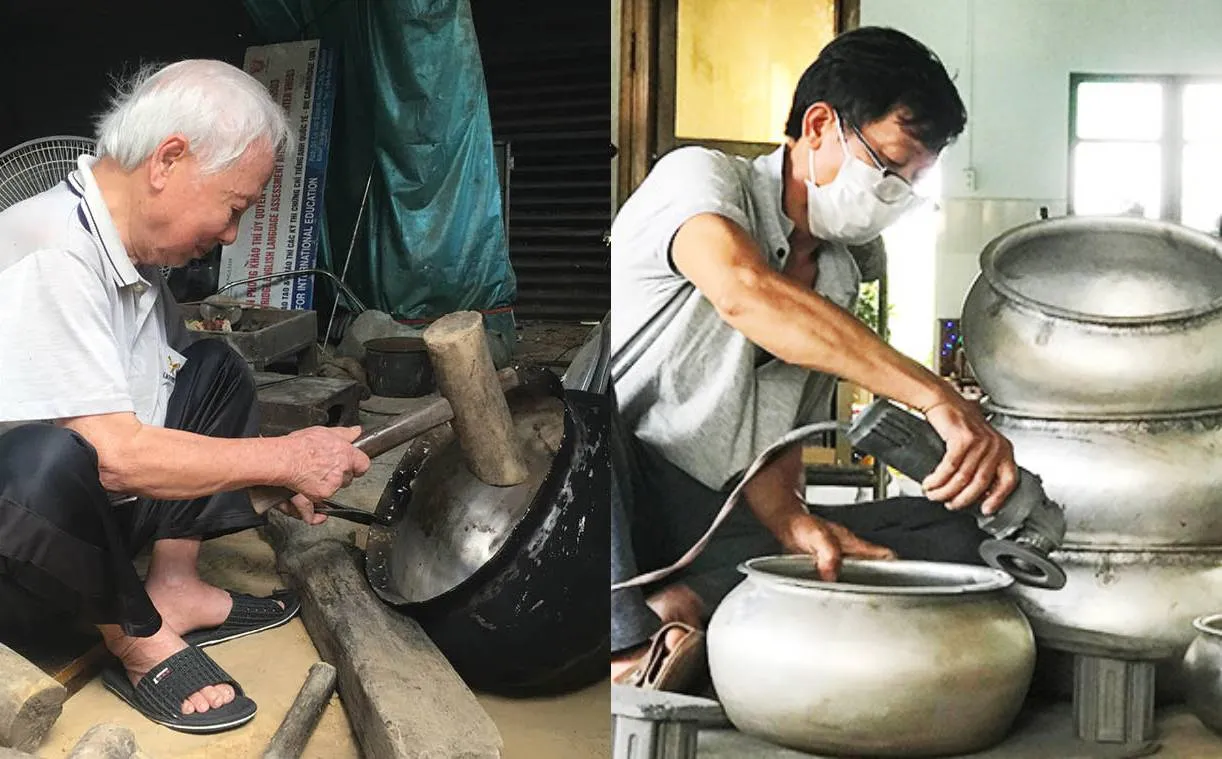
For nearly 50 years, in a small alley, the sounds of hammers belonging to Mr. Pham Ngoc Long (94 years old) and his son, Mr. Pham Ngoc Khanh, have steadily echoed to create famous noodle cooking pots. Hue people affectionately call this type of pot the "crab eye" pot (nồi mắt cua) because of its special shape: a round bottom, a bulging belly, but a constricted neck and a small mouth [3] [4].
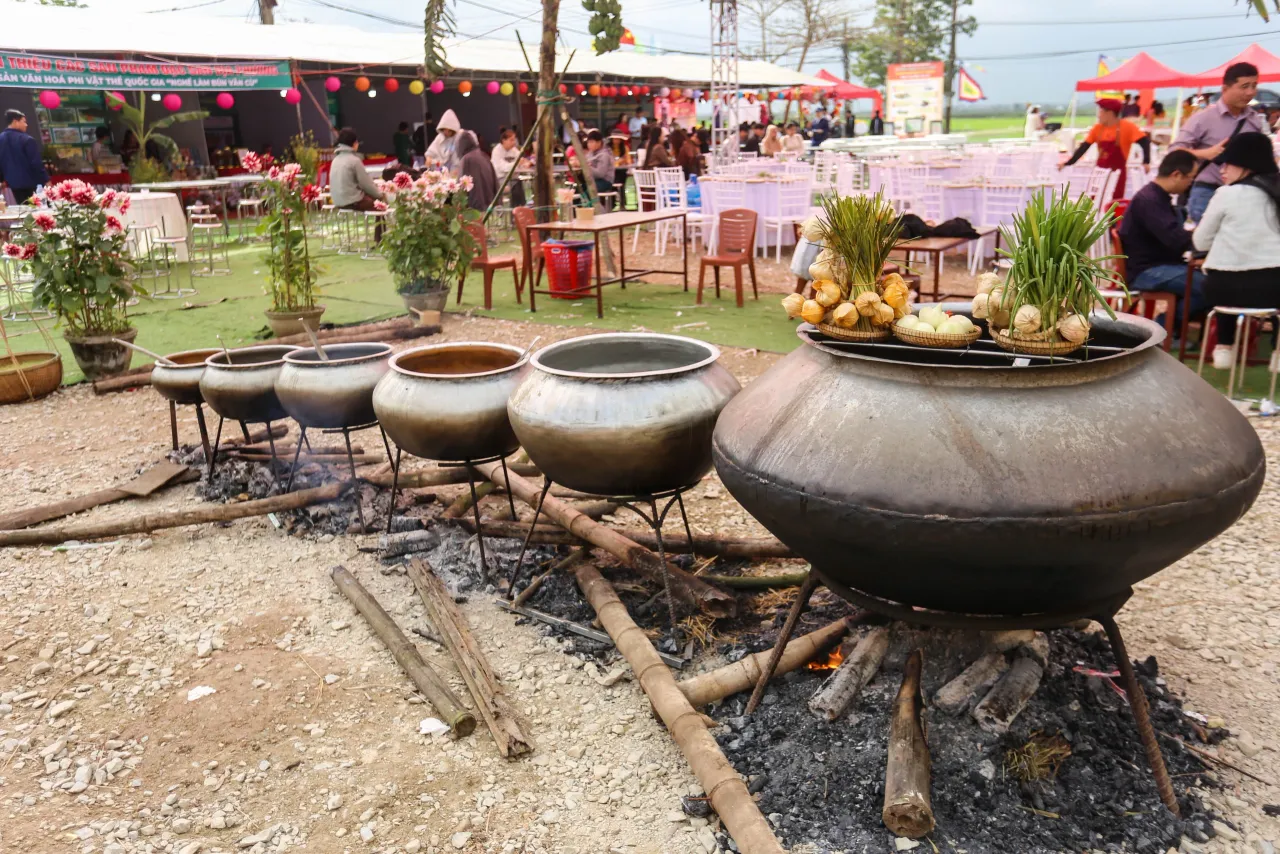
Why painstakingly forge by hand for three whole days to finish just one such pot?
- Physics: The "big belly, small mouth" design helps the pot retain heat incredibly well. The broth is always piping hot but evaporates little, helping the flavor to be "braised" intensely.
- Experience: The round bottom makes it easy for the vendor to tilt the pot and scoop up the very last spoonfuls of broth without it being unsteady.
The story of preserving the craft between Mr. Long and his son is also deeply moving. There were times when Mr. Khanh intended to quit the trade due to competition from cheap industrial pots, but remembering the sound of his father's hammer, remembering the trade that sustained his family, he returned. Although Mr. Long is hard of hearing and his hair is gray, he still earnestly believes: "The mouth of the pot is almost what determines the beauty of the pot for cooking beef noodles. It feels like a bowl of noodles scooped from this crab eye pot tastes better than from those modern industrial electric pots" [4].
It is this dedication, passed down from father to son, that has contributed to preserving the original flavor of Bun Bo Hue amidst the flow of modernity.
Heritage pride by the Bo river
Over 400 years of keeping the fire burning, the efforts of the people of Van Cu to preserve their craft have finally been rewardingly recompensed. Recently, the Ministry of Culture, Sports and Tourism officially recognized "Van Cu Noodle Making Craft" as a National Intangible Cultural Heritage [2] [6] [7].
This is not just a joy for the craft village alone but also an affirmation of the sustainable cultural value of the ancient capital's cuisine. The Van Cu noodle strand is now not just an ingredient for a common breakfast but has become a cultural icon, contributing to propelling the reputation of Bun Bo Hue far and wide.
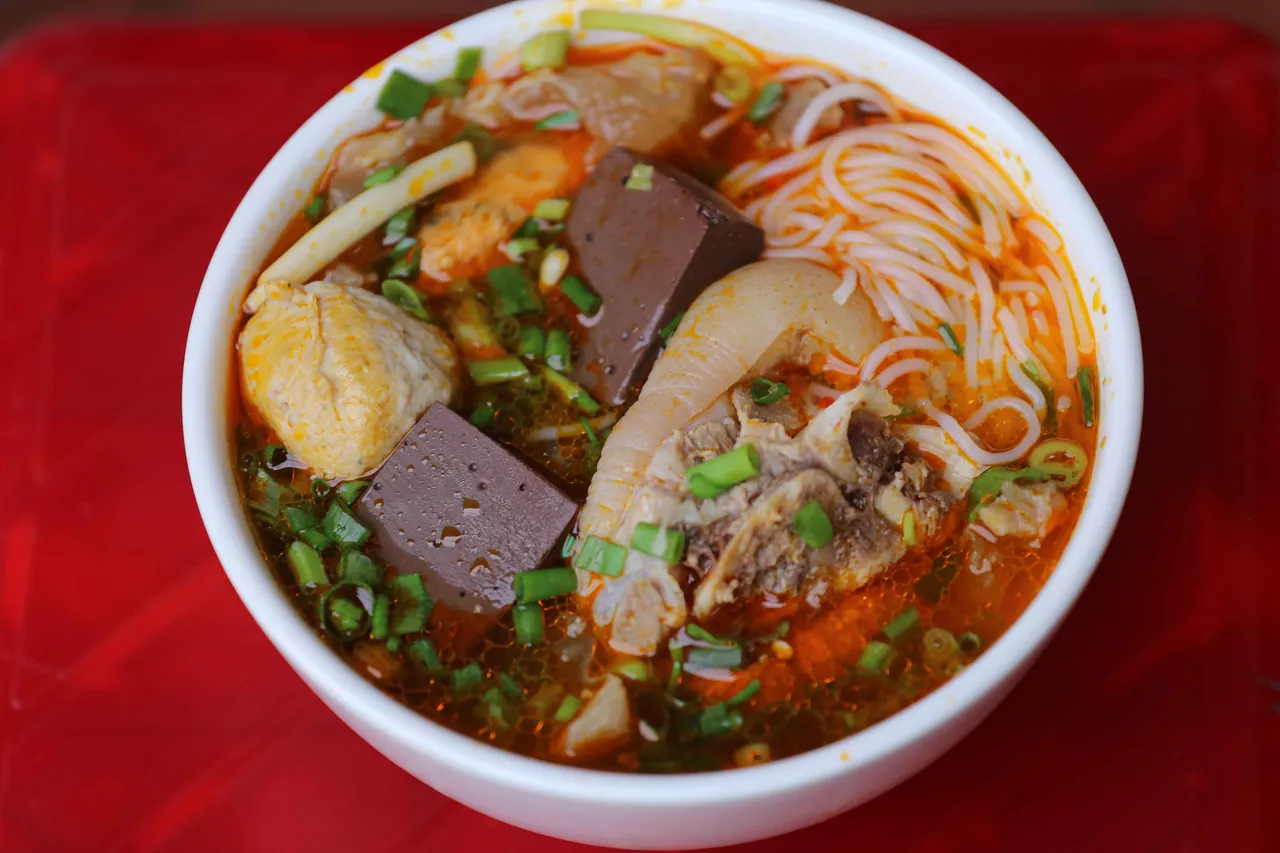
From the fragrant, chewy Van Cu noodles bearing the National Heritage title to the diligent sounds of the forging hammers of Mr. Long and his son, all have resonated to create a culinary masterpiece.
However, this dish is not confined within the boundaries of Thua Thien Hue. Following the footsteps of expatriates, Bun Bo Hue began its journey South and North. When reaching new lands, did the flavor of the ancient capital retain its original features, or did it undergo interesting changes to integrate with local palates?
In the next episode, travel with Banh Mi Xin Chao across Vietnam to discover how Bun Bo Hue evolves. We'll explore the fascinating regional variations as this imperial dish adapts to local palates throughout the country.
References
- Khám phá Huế (n.d.). Làng nghề truyền thống Bún tươi Vân Cù. Cổng thông tin điện tử Khám phá Huế. Retrieved July 1, 2025,https://khamphahue.com.vn/Hue-24h/Chi-tiet/tid/Lang-nghe-truyen-thong-Bun-tuoi-Van-Cu.html/pid/7606/cid/323
- Lê Huy Hoàng Hải (2025, February 19). Nghề làm bún làng Vân Cù - Di sản văn hóa phi vật thể quốc gia của cố đô Huế. Báo Tiếng nói Việt Nam VOV.https://vov.vn/van-hoa/di-san/nghe-lam-bun-lang-van-cu-di-san-van-hoa-phi-vat-the-quoc-gia-cua-co-do-hue-post1155835.vov
- Mai Huế (2020, July 16). Giữ nghề làm nồi nấu bún. Huế Ngày Nay.https://huengaynay.vn/doi-song/giu-nghe-lam-noi-nau-bun-88750.html
- Nguyễn Trọng (2024, July 5). Giữ nghề làm nồi nấu bún. Báo Nhân Dân.https://nhandan.vn/giu-nghe-lam-noi-nau-bun-post817618.html
- Nhật Bình (2025, February 23). Đến Huế thăm làng nghề làm bún Vân Cù có tuổi đời hơn 400 năm. VietnamPlus.https://www.vietnamplus.vn/den-hue-tham-lang-nghe-lam-bun-van-cu-co-tuoi-doi-hon-400-nam-post1013239.vnp
- Nhật Anh (2025, July 5). 'Tri thức dân gian về Bún bò Huế' được công nhận Di sản văn hóa phi vật thể quốc gia. Báo Điện tử Chính phủ.https://baochinhphu.vn/tri-thuc-dan-gian-ve-bun-bo-hue-duoc-cong-nhan-di-san-van-hoa-phi-vat-the-quoc-gia-102250705162116955.htm
- Trung tâm Thông tin du lịch (2024, December 24). Huế: “Nghề làm bún Vân Cù” là Di sản văn hóa phi vật thể quốc gia. Cổng thông tin điện tử Cục Du lịch Quốc gia Việt Nam.https://vietnamtourism.gov.vn/post/60473