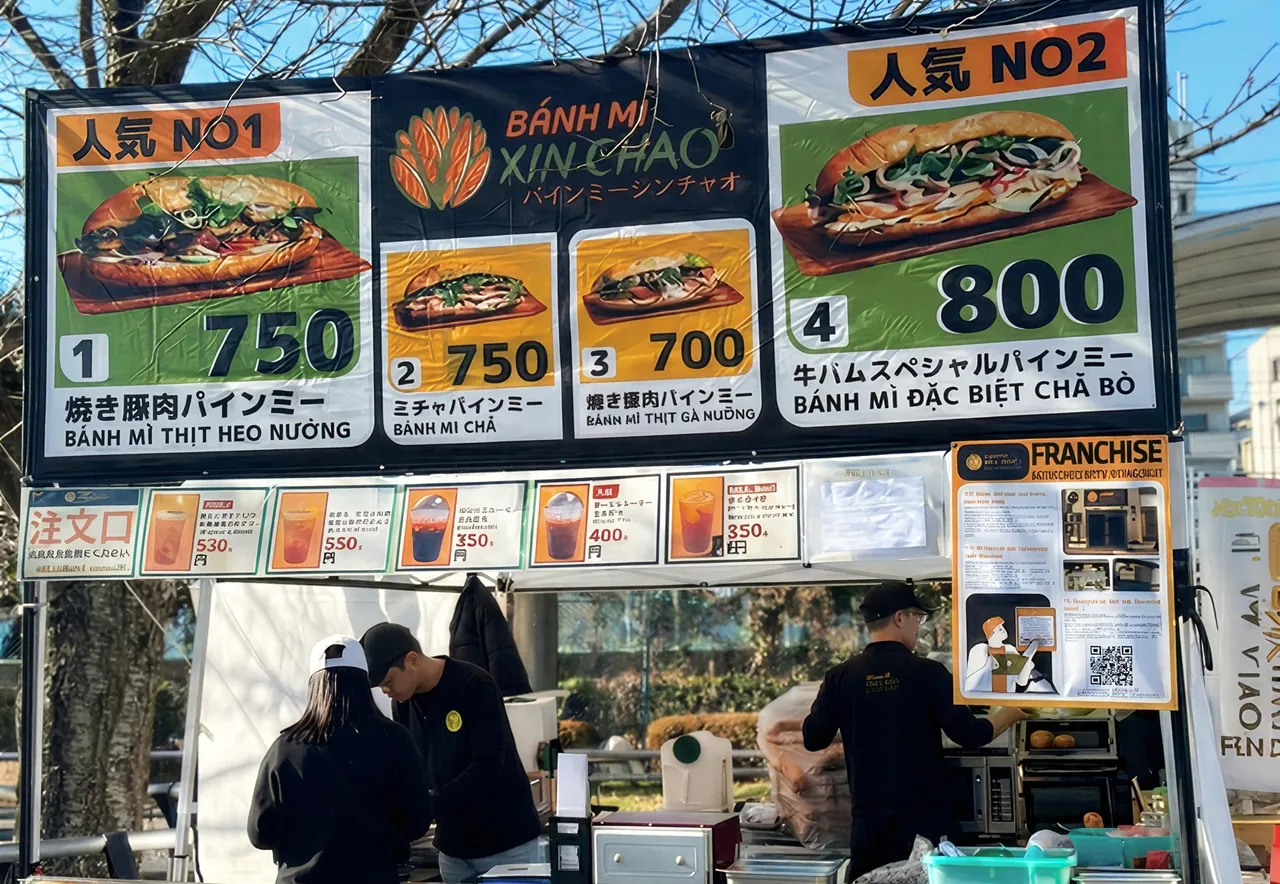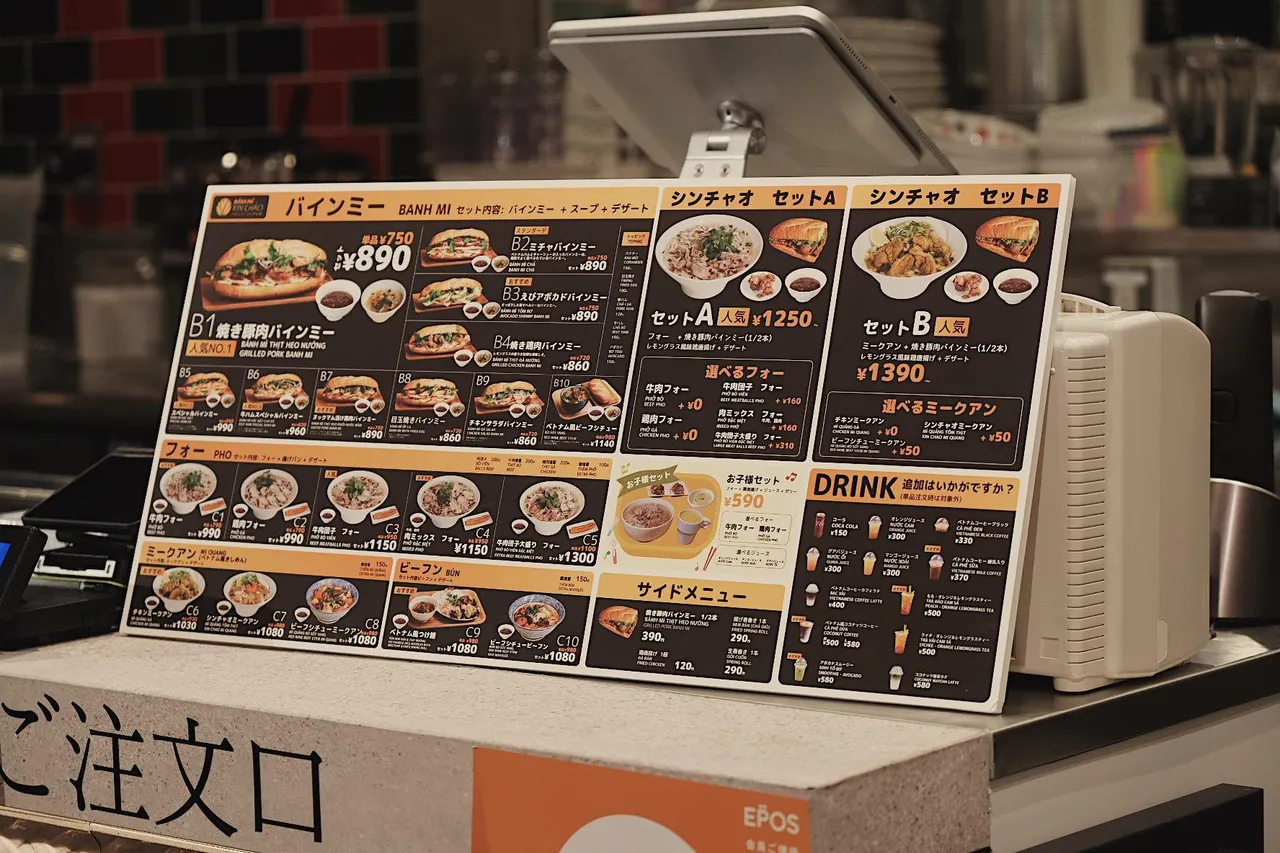
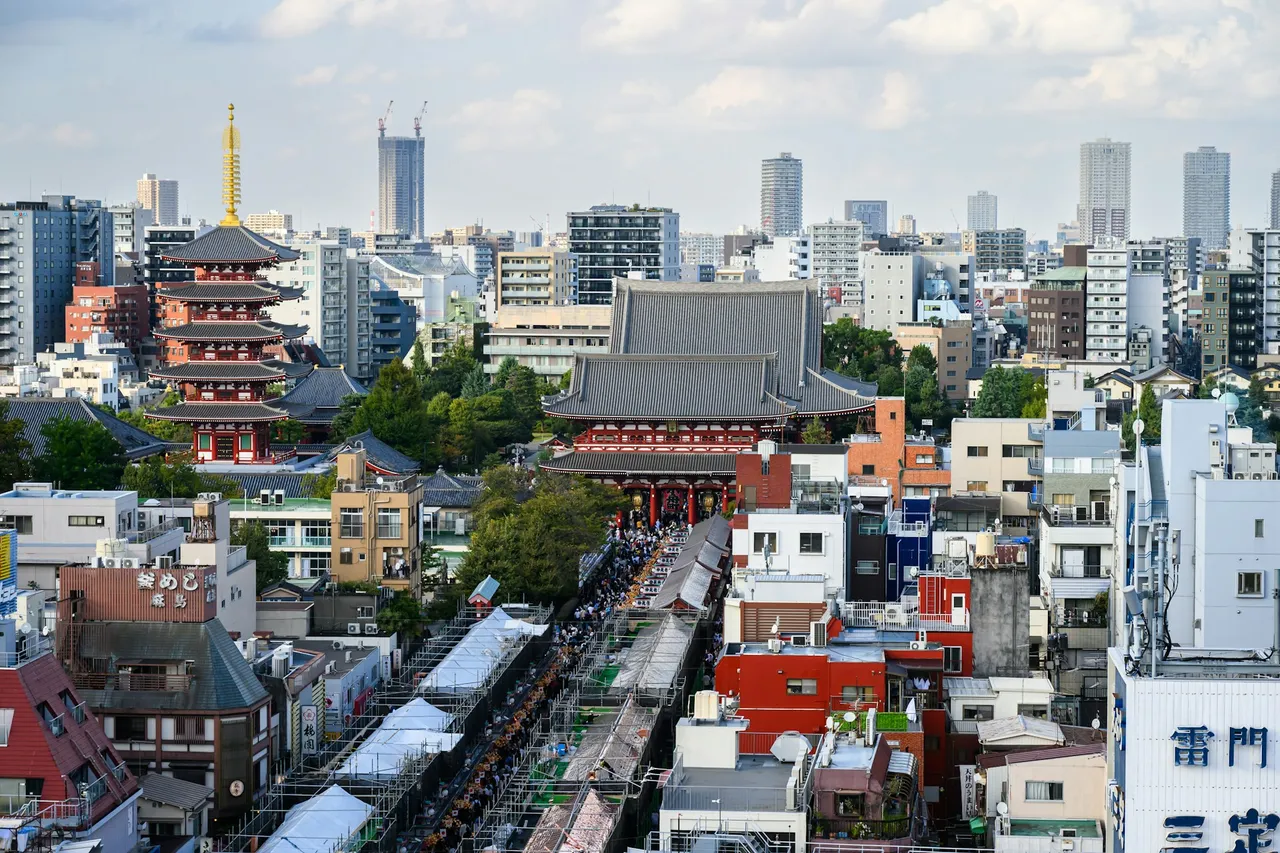
At Banh Mi Xin Chao, we believe that understanding the local language and culture deepens every travel experience. Let's unfold the spiritual layers of Sensoji, where we unexpectedly find intriguing similarities with Vietnamese culture.
Sensoji: the ancient heart of Tokyo
Located in the midst of modern Tokyo, Sensō-ji (officially Kinryū-zan Sensō-ji) is the capital's oldest temple, founded in 628. It is dedicated to Kannon Bosatsu (Avalokiteśvara), the Bodhisattva of compassion [6].
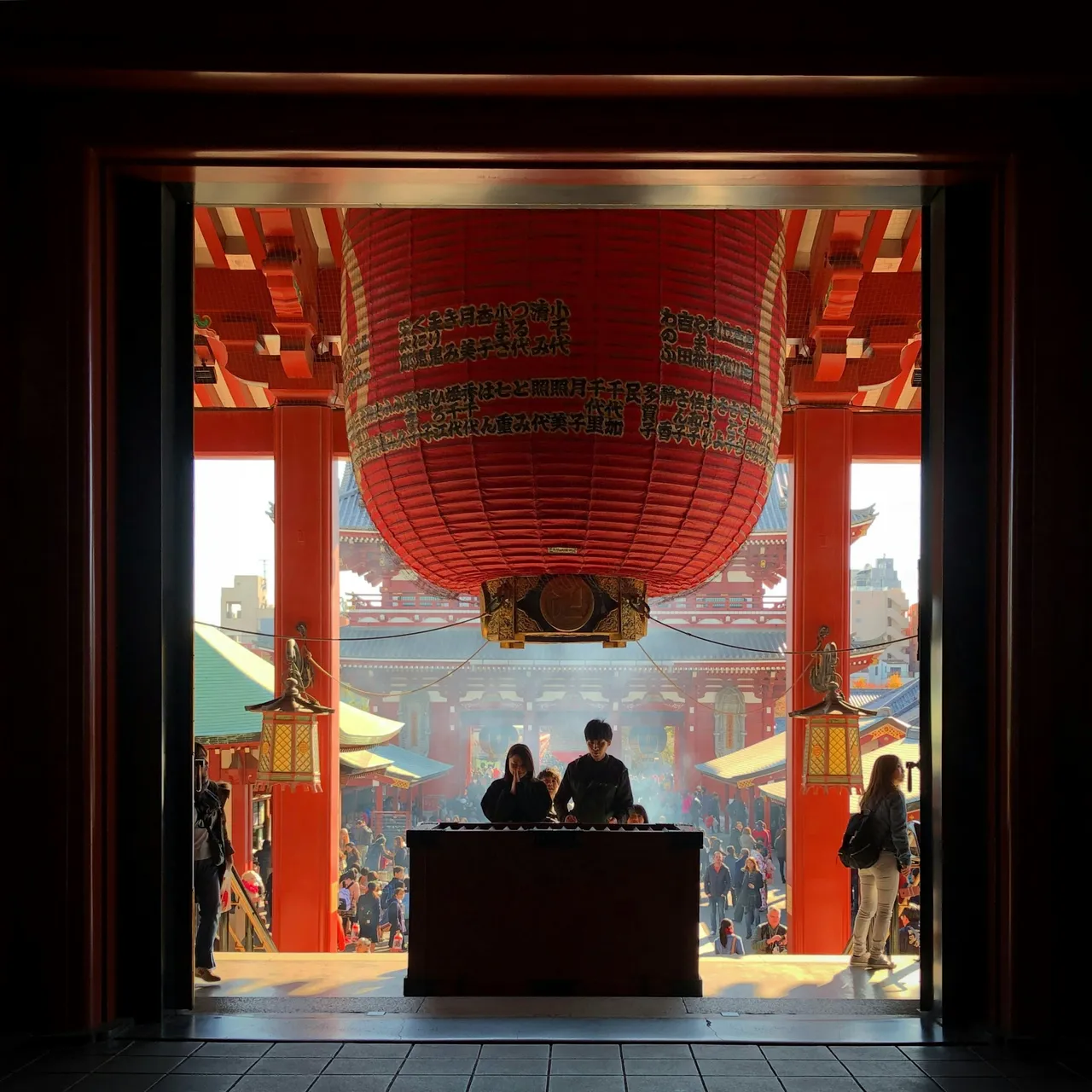
Just as Vietnamese people hold "Phật Bà Quan Âm" (Goddess of Mercy) in high regard for protection and peace, the Japanese revere Kannon Bosatsu deeply in their spiritual lives. With over 30 million visitors annually [4], Sensoji is not only one of the most visited religious sites in the world [6] but also a testament to the enduring power of faith over centuries, much like the ancient pagodas in Vietnam that are always filled with incense smoke during holidays and festivals.
The golden statue and the river’s gift
Unlike many religious sites built by nobility, Sensoji’s origins are humble and tied to the water—an element familiar to Vietnam’s wet rice civilization [5, p. 28].
Legend has it that in the year 628, on the Sumida River, two fishermen brothers named Hinokuma Hamanari and Takenari found a statue in their fishing net. Despite returning it to the river multiple times, the statue kept coming back to them [6].
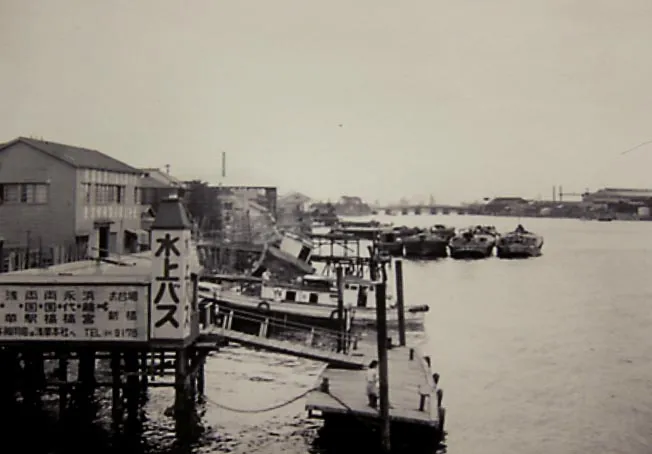
Recognizing the statue as Kannon Bosatsu, the village headman, Haji no Nakatomo, was so moved that he remodeled his own home into a small temple to enshrine it, laying the foundation for today's Sensoji [6].
Hibutsu: The beauty of the "Hidden Buddha"
Adding to the temple's mystique is the concept of Hibutsu (Secret Buddha). In 645, a monk named Katsumi, following a revelation in a dream, designated this statue as a Hibutsu—meaning it is never displayed to the public to preserve its sanctity. It is said to be made of gold and stands only about 5.5 cm tall [6].
This legend of dreams and divine intervention echoes stories like the One Pillar Pagoda in Vietnam, reflecting a shared Asian belief in spiritual guidance and the enduring reverence for the Goddess of Mercy.
Omikuji: fortune slips and answers for destiny
One of the most interesting experiences at Sensoji is drawing an Omikuji. These are paper fortune slips, similar to the custom of "xin xam" at Vietnamese temples.
The process here strongly reminds us of shaking the fortune cylinder in Vietnam: you shake a metal box until a bamboo stick falls out. The stick is numbered (in Japanese), and you find the corresponding wooden drawer to retrieve your fortune slip [2].
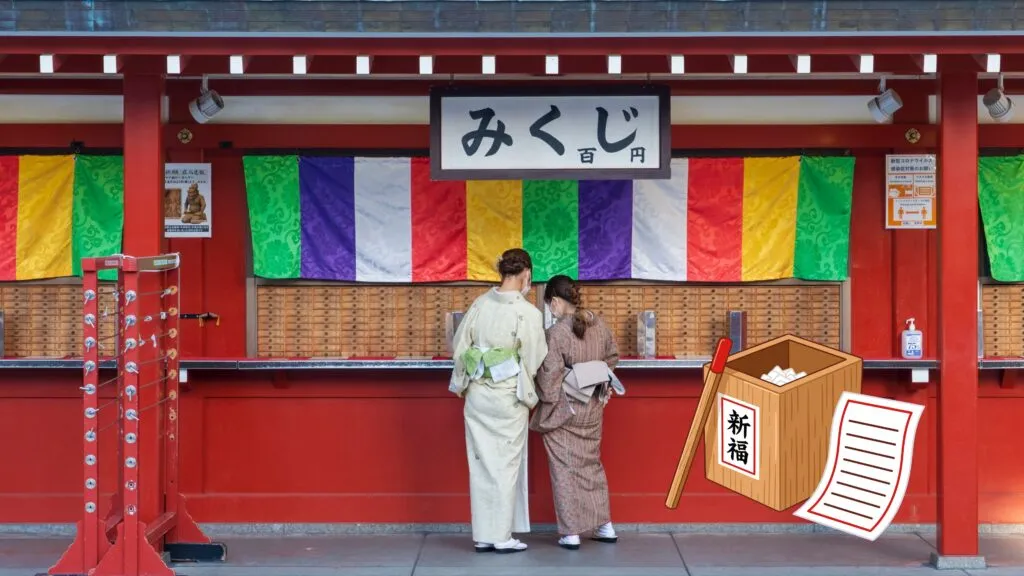
However, there is a rumor that drawing Omikuji at Sensoji often results in "bad luck" fortunes. In reality, Sensoji strictly follows an ancient method from the Heian period called Kannon Hyakusen (100 Poems of Kannon). According to this ratio, 30 out of 100 slips are bad luck. This differs from many other places that often reduce the bad luck ratio to please tourists. But don't worry too much; the philosophy of Sensoji is very close to the Vietnamese mindset that virtue conquers fate: even if you draw a bad luck slip, your subsequent good deeds and efforts can completely change your destiny [2].
Omamori: amulets of peace
If Vietnamese people often ask for peace charms or bracelets from monks to pray for luck, the Japanese have Omamori. The word "mamori" in Japanese means "protection," so Omamori is understood as an amulet that protects the owner from bad luck and brings good fortune [3].
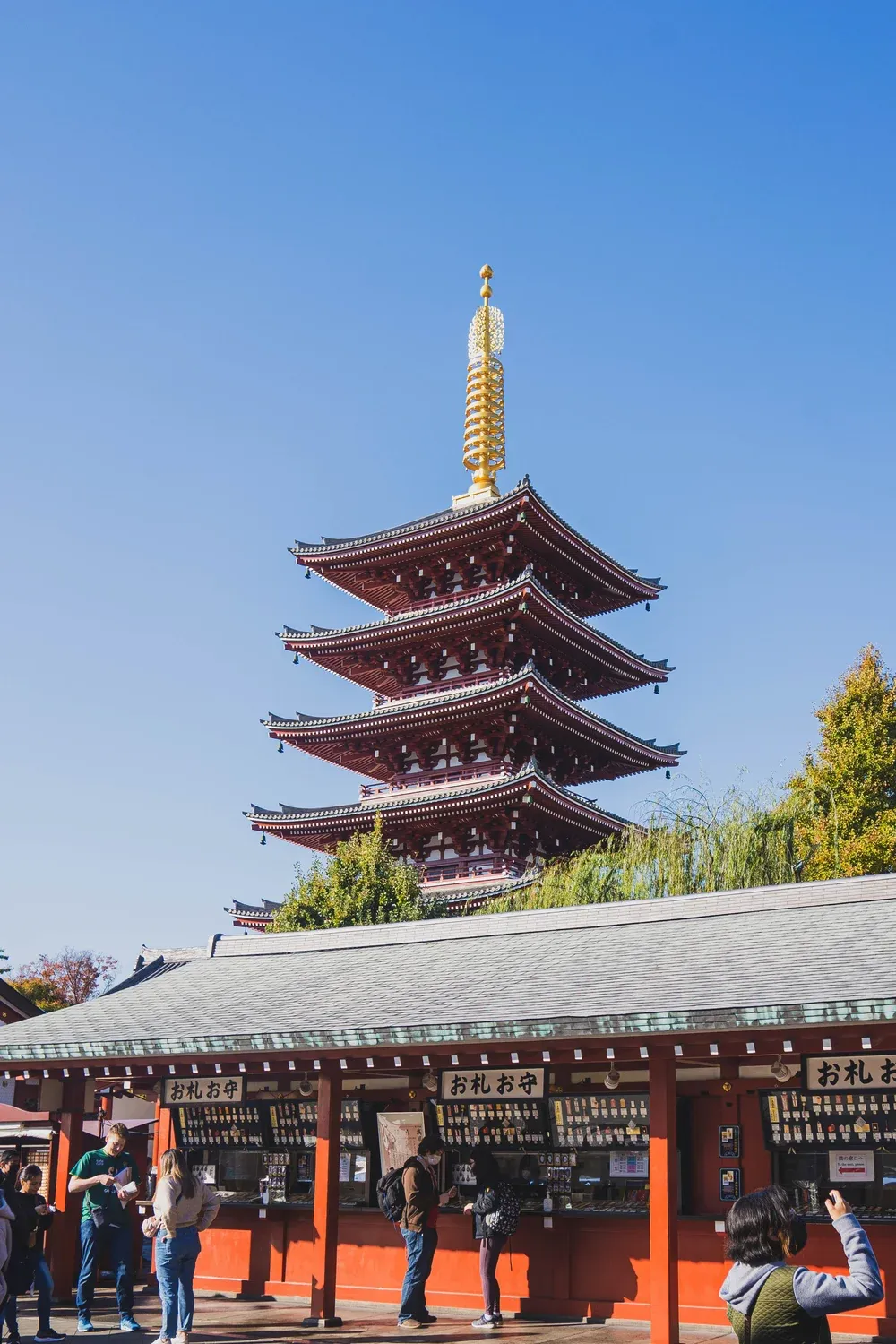
At Sensoji, you can find many different types of Omamori: for traffic safety, academic success, or health. In particular, the temple offers unique charms such as the Lotus Charm featuring the image of Kannon Bosatsu, or the Silver Charm [3]. These charms have all been chanted over by monks and passed over sacred fire in prayer rituals, carrying deep spiritual value just as Vietnamese people cherish items that have been blessed at the pagoda.
A small cultural note: The Japanese believe that one should not open the Omamori bag to look inside, as this action is thought to reduce the protective power of the amulet [3].
Ema: sending wishes on wooden plaques
When strolling around the grounds of Japanese shrines and temples, you will see small wooden plaques hanging in rows; these are Ema. "E" means picture/image, and "ma" means horse.
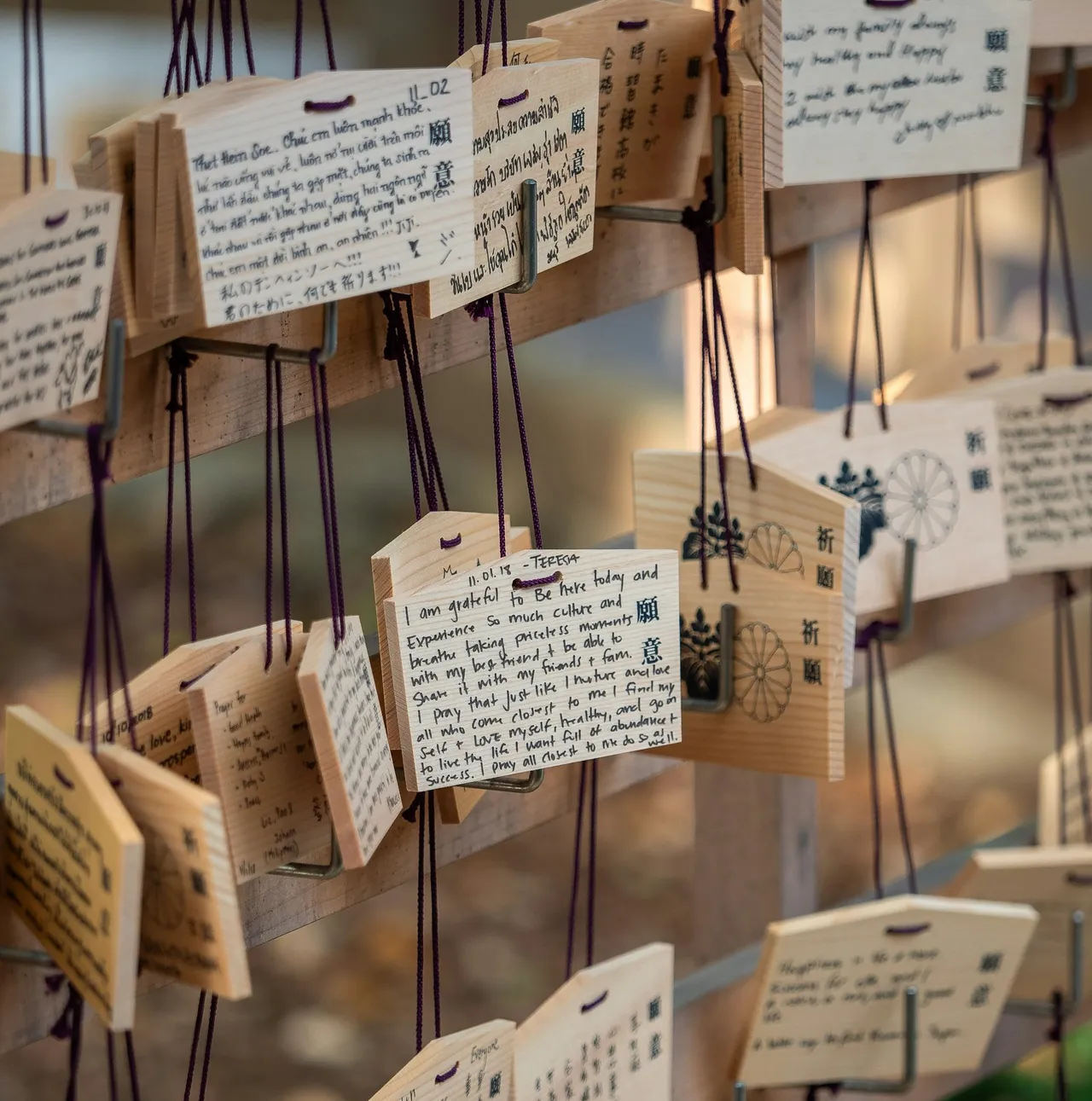
This custom dates back to ancient times when the Japanese offered real horses to the gods to pray. Over time, real horses were replaced by drawings of horses on wood, and today, they are wooden plaques with various illustrations [1]. Visitors write their prayers for health, career, or love on the back of the plaque and hang it at the temple.
This cultural aspect bears a resemblance to the custom of offering petitions or writing prayers on lanterns and wind chimes at Vietnamese heritage sites. Although the forms differ—Vietnamese use paper petitions, Japanese use wooden Ema—fundamentally, they are both ways for humans to visualize invisible wishes sent to the divine, demonstrating a belief in protection from the spiritual world that is always present in Asian culture [5].
Leaving worries behind by the Sumida River
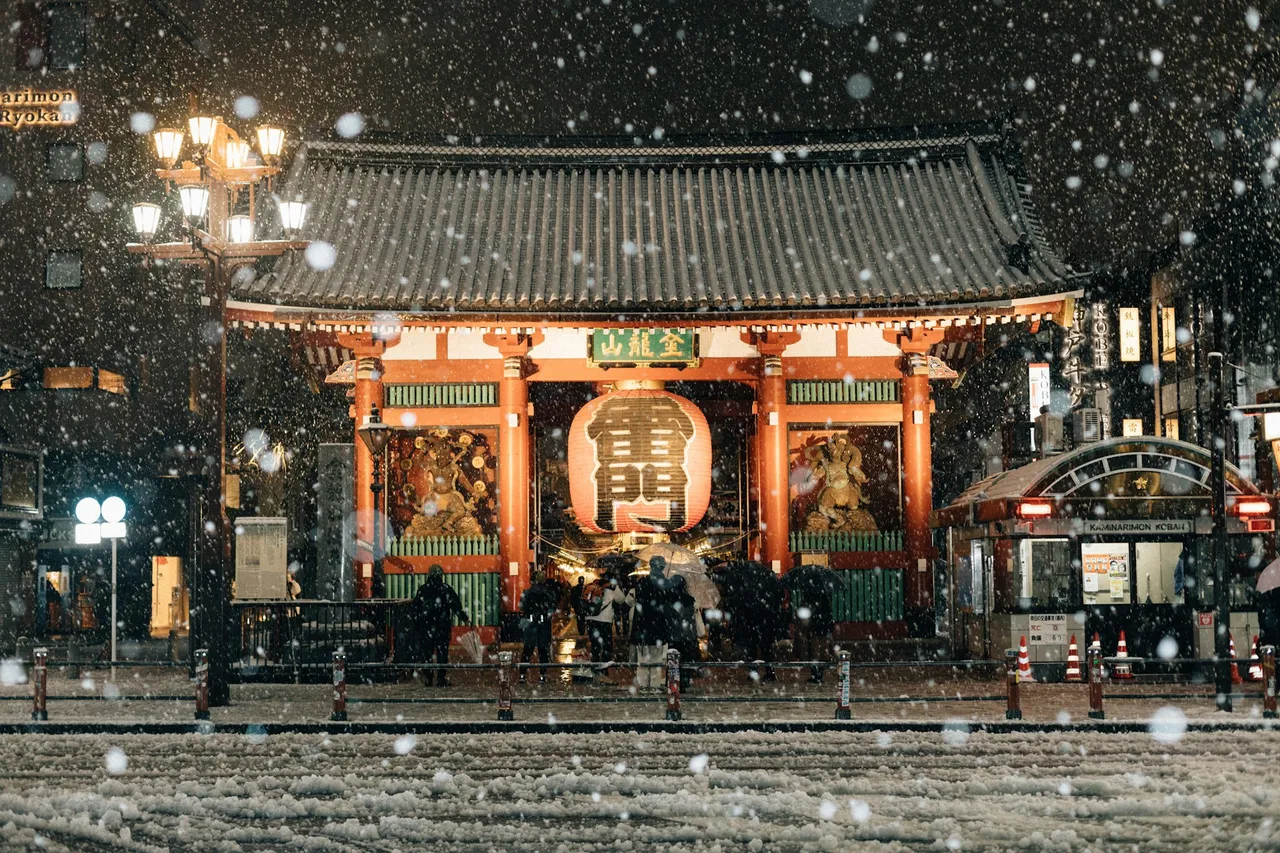
The journey to explore Sensoji is not just about admiring the majestic Kaminarimon (Thunder Gate) or the solemn five-story pagoda, but also an opportunity to reflect on the similarities in faith between our two nations. Leaving Sensoji, carrying an Omamori or advice from an Omikuji slip, we hope you have found a bit of peace for yourself.
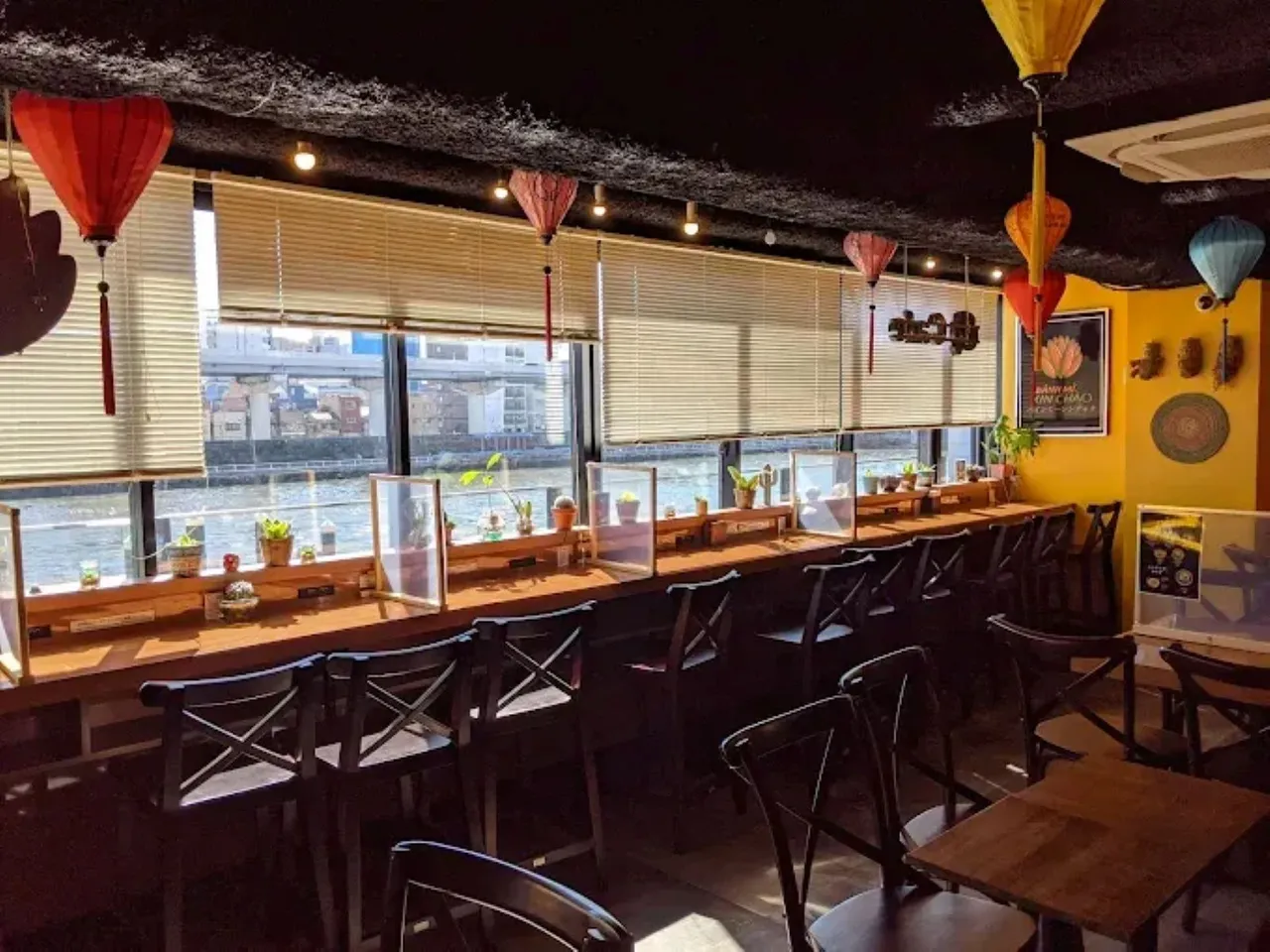
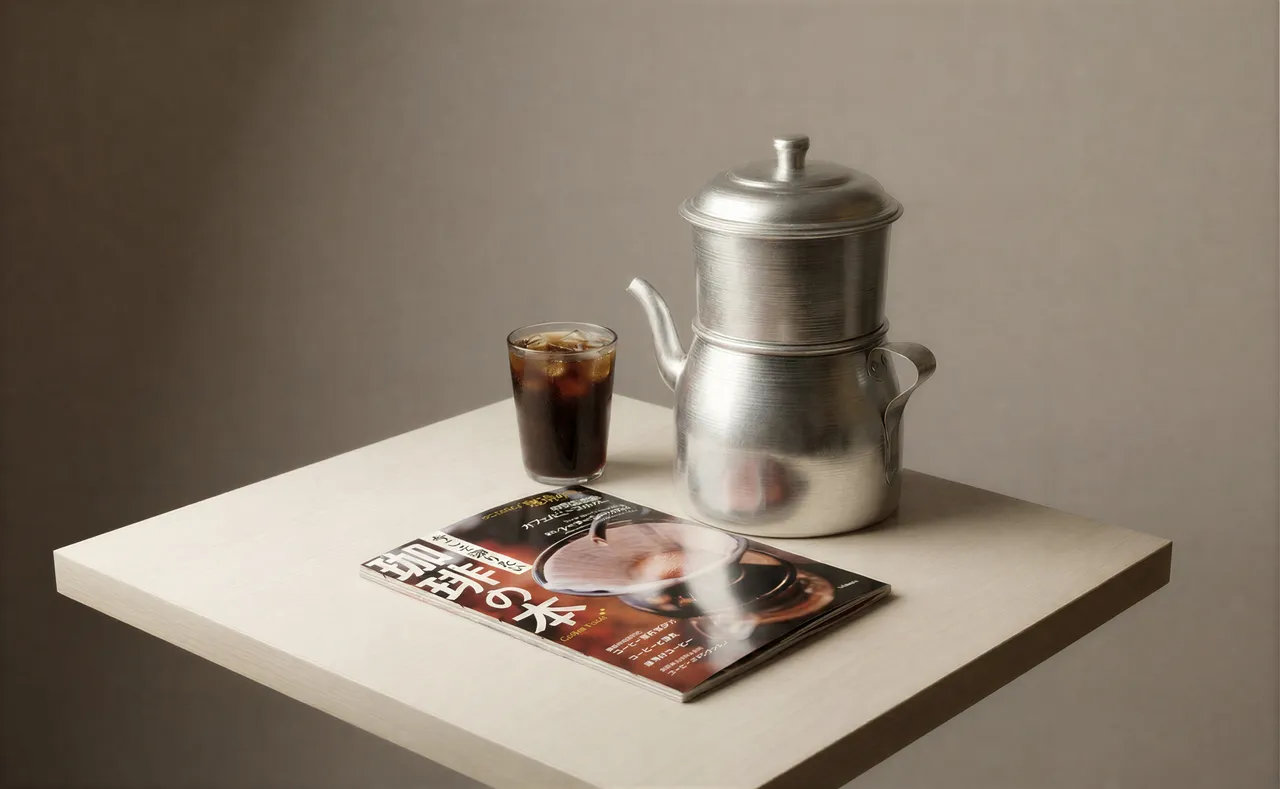
And if your feet are tired after the historical journey, Banh Mi Xin Chao Asakusa branch is just a few minutes' walk away. Not only is it an ideal stop to recharge with a crispy banh mi or a rich iced milk coffee, but this branch also boasts a prime location with a view overlooking the poetic Sumida River.
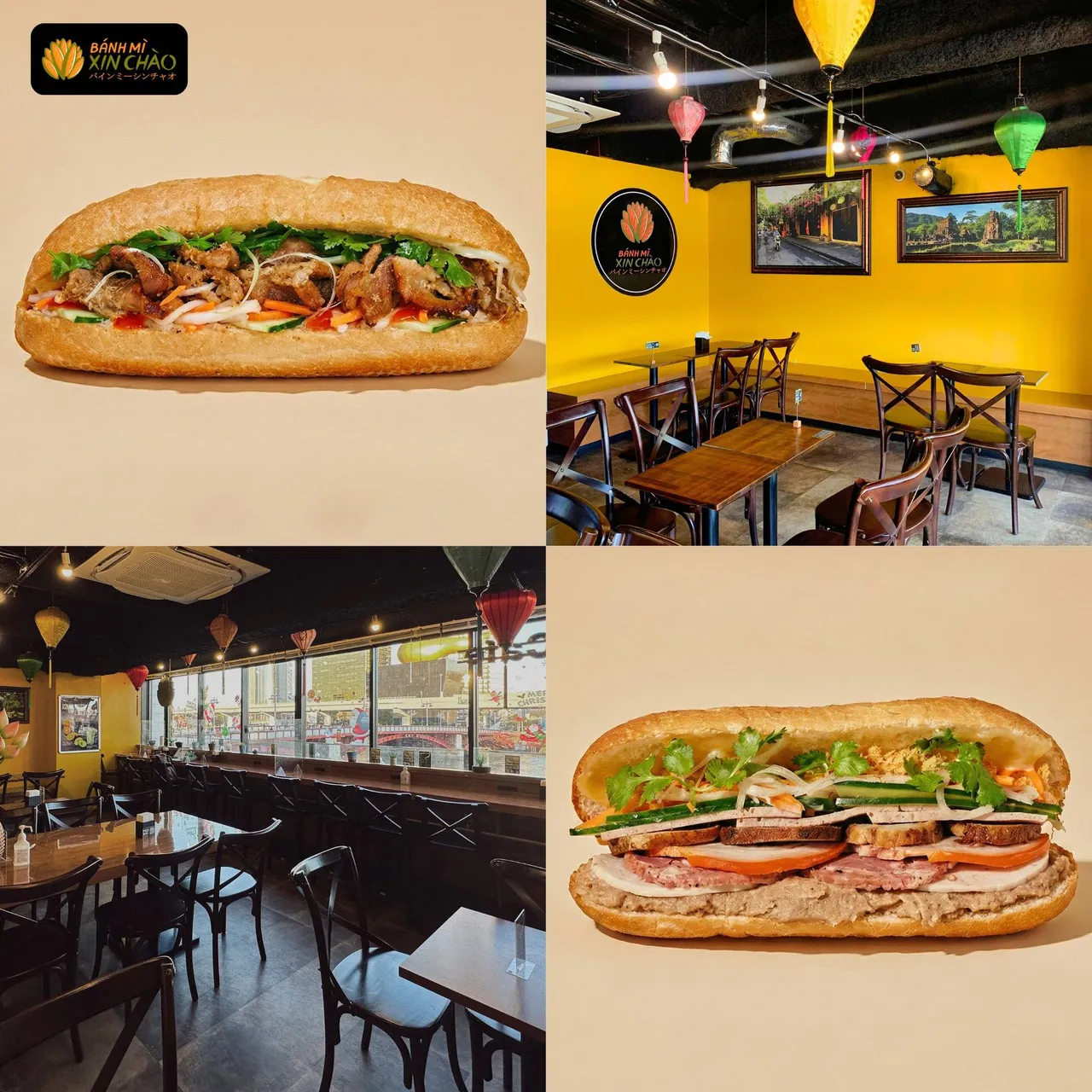
It is truly poetic to enjoy the familiar taste of Vietnam while letting your soul gaze at the historical river—where in 628, the golden statue of Kannon appeared, initiating the birth and thousand-year vitality of the legendary Sensoji Temple [6].
We are always ready to welcome you!
References
- Link in Japan (2023, December 24). Ema (絵馬), votive tablet.https://linkinjapan.com/blogs/news/ema-%E7%B5%B5%E9%A6%AC-votive-tablet
- MATCHA (2025, May 13). Sensoji temple omikuji: How to draw a fortune and its meaning.https://matcha-jp.com/en/948
- MATCHA (2025, June 6). Omamori: Temple vs Shrine Charms at Sensoji Temple.https://matcha-jp.com/en/1001
- Road Genius (2025). Tokyo Tourism Statistics. Various.https://roadgenius.com/statistics/tourism/japan/tokyo/
- Trần, N. T. (1999). Cơ sở văn hoá Việt Nam (2nd ed.). Vietnam: Nhà xuất bản Giáo Dục. ISBN: S33661
- Wikipedia (2025). Sensō-ji. Retrieved December 25, 2025,https://en.wikipedia.org/wiki/Sens%C5%8D-ji