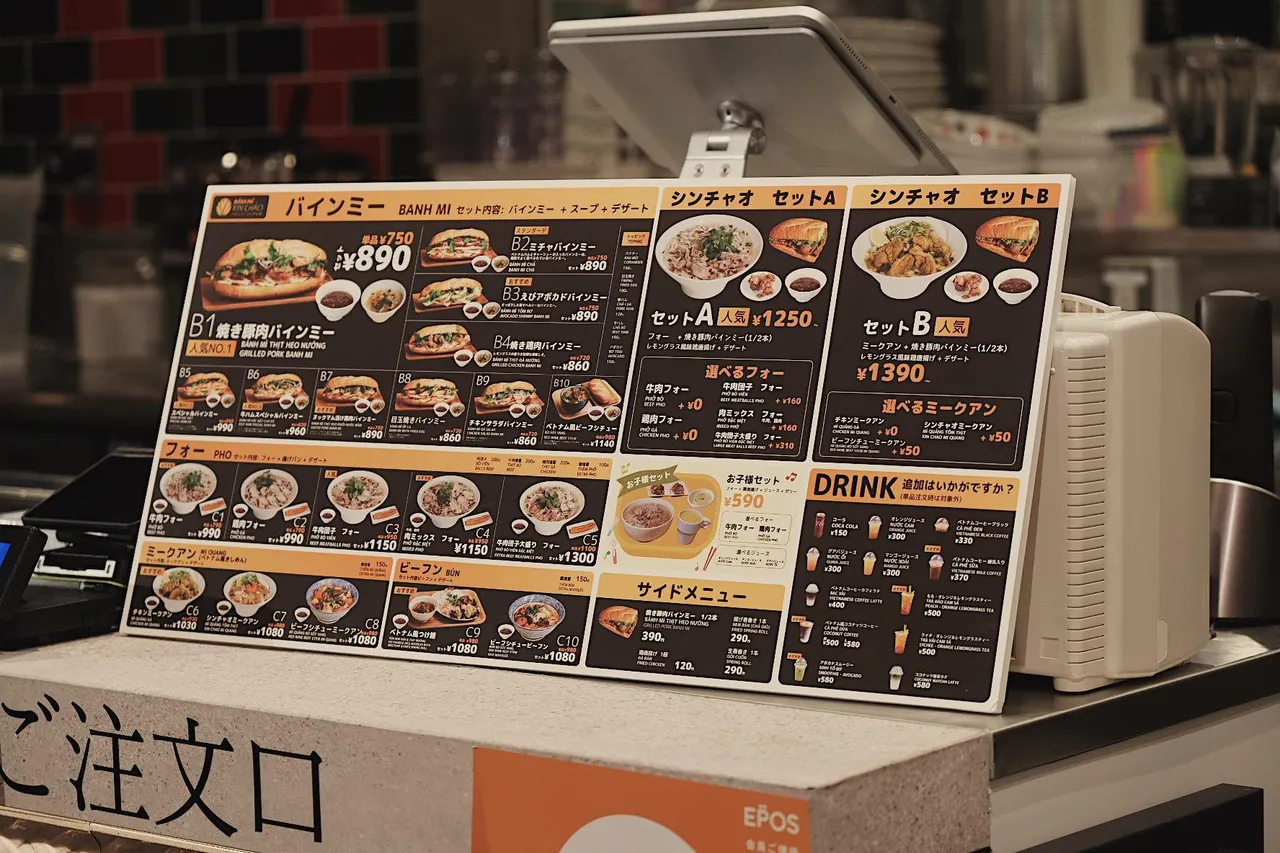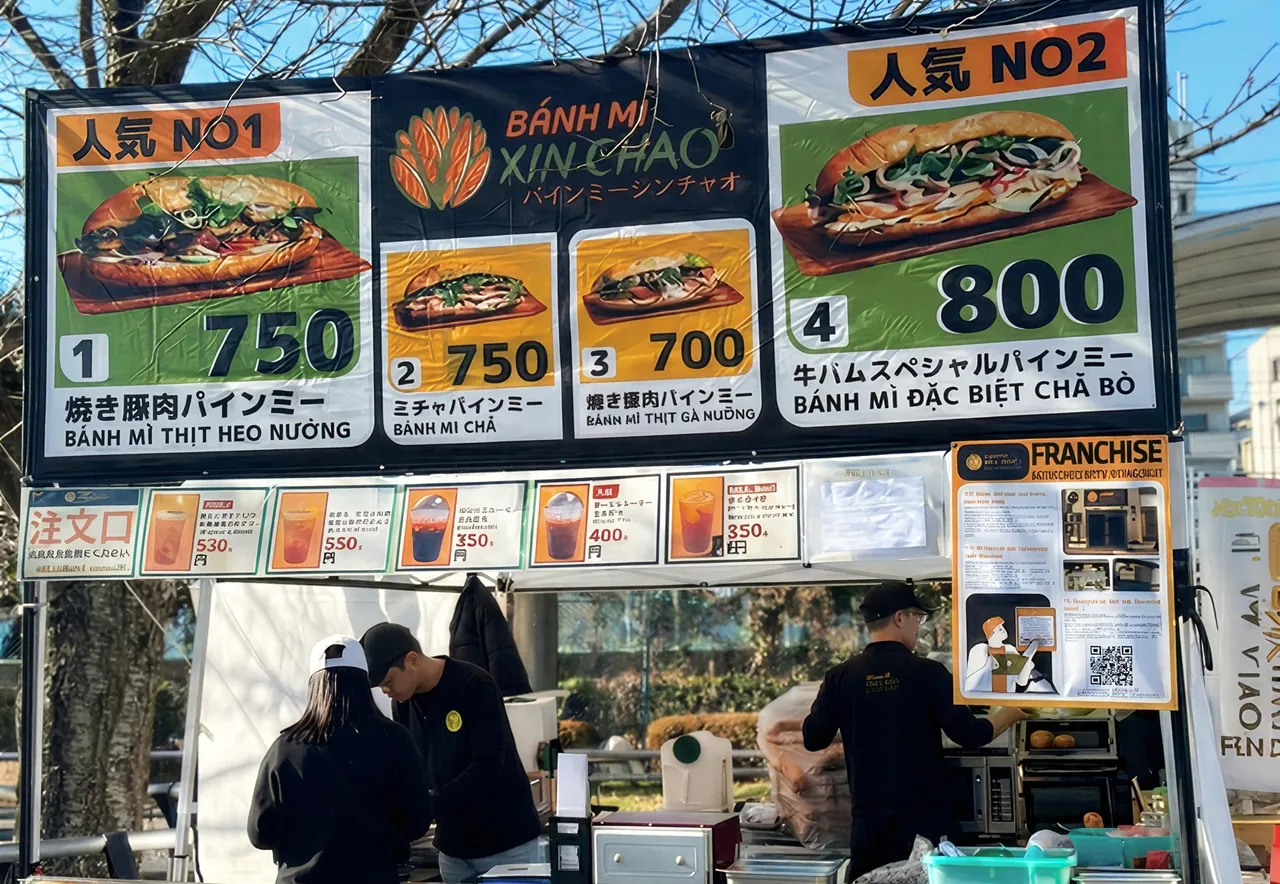
You might not know this, but Japan is the world's most demanding market in the F&B sector. Over 70% of new stores don't survive past one year, and of the few that remain, another 50% disappear after three years. In the end, only about 10% survive after a decade. Compared to the US failure rate of around 20% in the first year, the Land of the Rising Sun is clearly not a welcoming place for F&B startups.
Barriers of culture and the Keiretsu model
The Japanese are admired for their sophisticated and strict culinary tastes. But this very strictness becomes an invisible barrier: customers show absolute loyalty to familiar brands, choosing based on stable prices, pristine hygiene, and standardized experiences. "Trying something new" is uncommon, unless recommended by an acquaintance or validated by the media.

This is why large chains like Sukiya, Yoshinoya, and Matsuya hold an enormous market share. They are not just restaurants, they are complete systems developed under the Keiretsu model, a "family alliance" of companies that support each other, achieving self-sufficiency and cost optimization. Newcomers, especially foreigners, have almost no chance to compete.
When the Japanese people change, a door opens
However, Japan's younger generation (Millennials and Gen Z) is gradually changing. They are more curious about foreign cuisine, more health-conscious, and seek food that is "delicious, fast, convenient, and beautiful" to fit their busy lifestyles.
This was the precise moment Vietnamese cuisine began to step into the spotlight, with dishes like pho, bun cha, and especially banh mi, embodying all the elements of Healthy, Grab-and-go, a harmonious Asian-European flavor, affordable prices, and a rich cultural story.
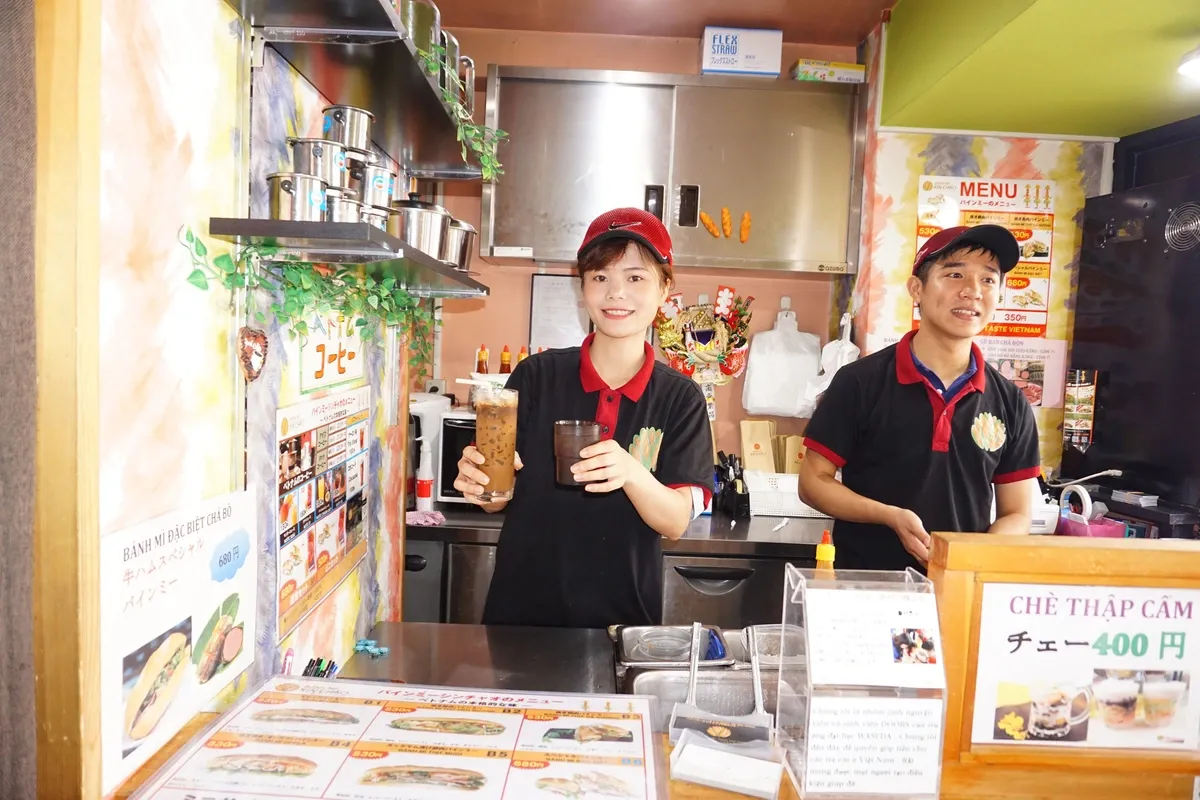
Banh Mi Xin Chao was born in October 2016 with a single, clear goal: to build an F&B brand with a strong Vietnamese identity, becoming a part of daily life in Japan, just as Chinese, Indian, Italian, and Turkish cuisines had done before.
From the start, we knew that to survive and grow, we couldn't just sell Vietnamese food in a Vietnamese way. We had to understand the local culture, meet the strictest standards, all while preserving the authentic Vietnamese spirit.
The fusion of Vietnamese spirit and Japanese standards
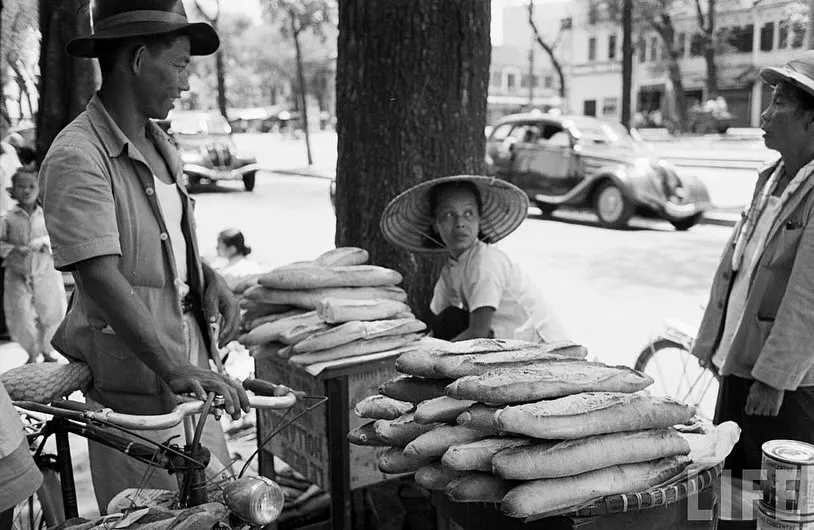
If the Japanese are known for meticulousness, discipline, and precision, the Vietnamese are known for a daring, flexible, and creative spirit. Banh Mi Xin Chao is the fusion of these two qualities.
We are not "Vietnamizing Japan," nor are we "Japanizing Vietnam." We are ourselves, but in the most polished version, ready to walk proudly in the heart of Tokyo.
Over the past nine years, Banh Mi Xin Chao has continuously improved and developed: expanding stores, entering major shopping centers, building a professional central kitchen, diversifying products, and digitizing operations.
From a tiny 20m² shop in Shinjuku, we have grown into a 24-store nationwide chain, gradually affirming a solid position on the Vietnamese culinary map in Japan.
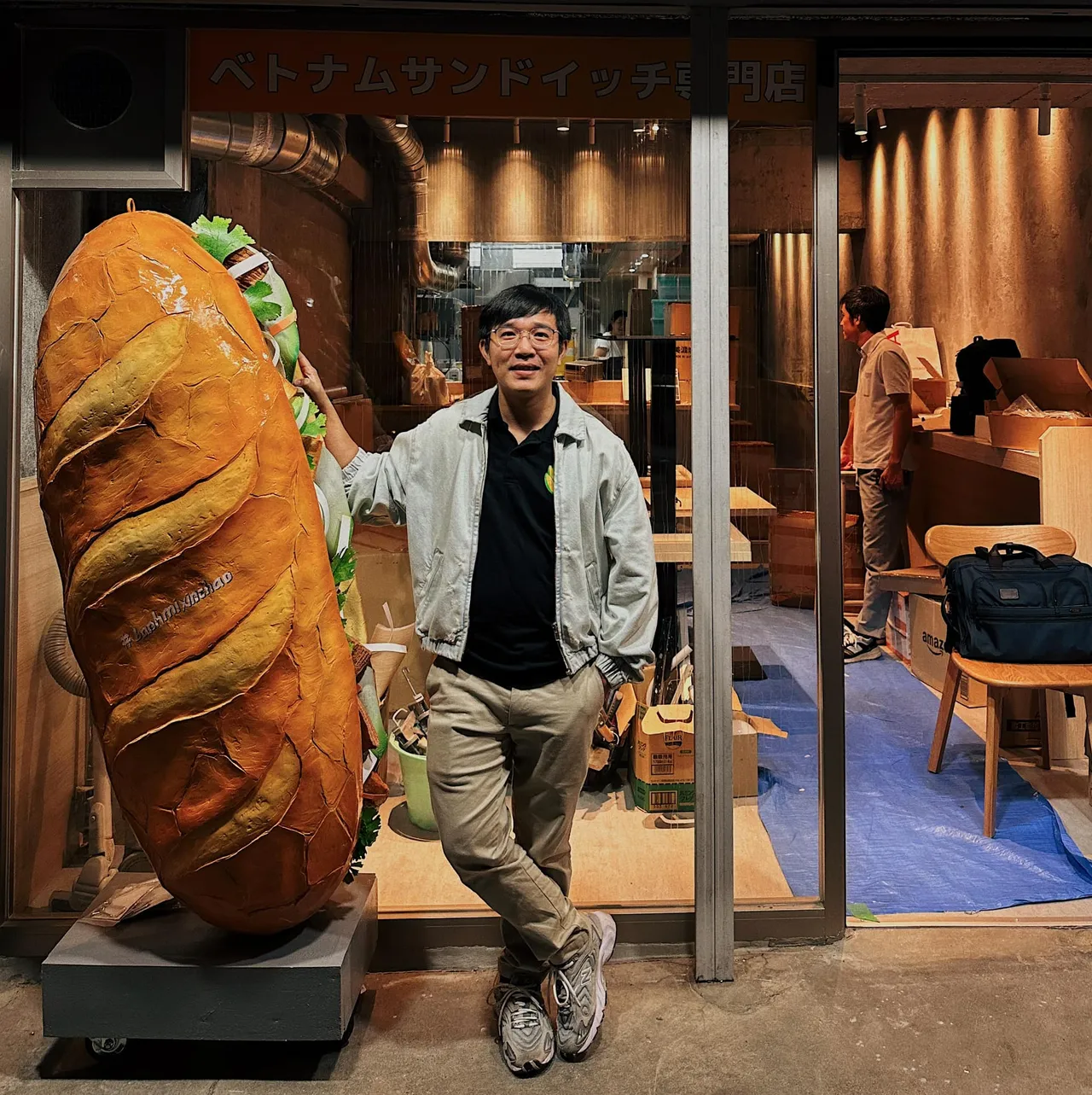
But we will not stop. Our goal was never just to be "a beloved banh mi shop." We aim to be a cultural bridge between Vietnam, Japan, and the world. McDonald's introduced the hamburger to the world. Banh Mi Xin Chao will do the same for Vietnamese banh mi.
If no one believes that Vietnamese banh mi can become a new star, a global icon, then we will be the ones to prove it.
-1758626543239.webp)
-1758626327513.webp)
-1758626977476.webp)