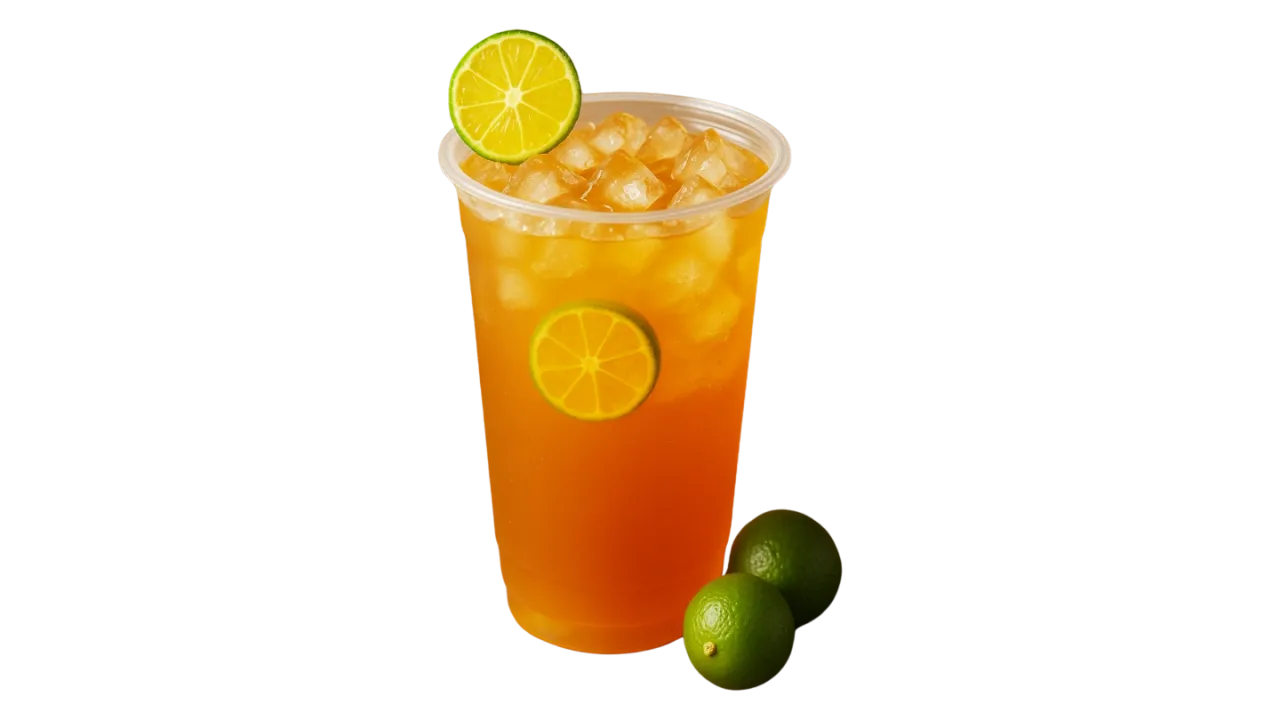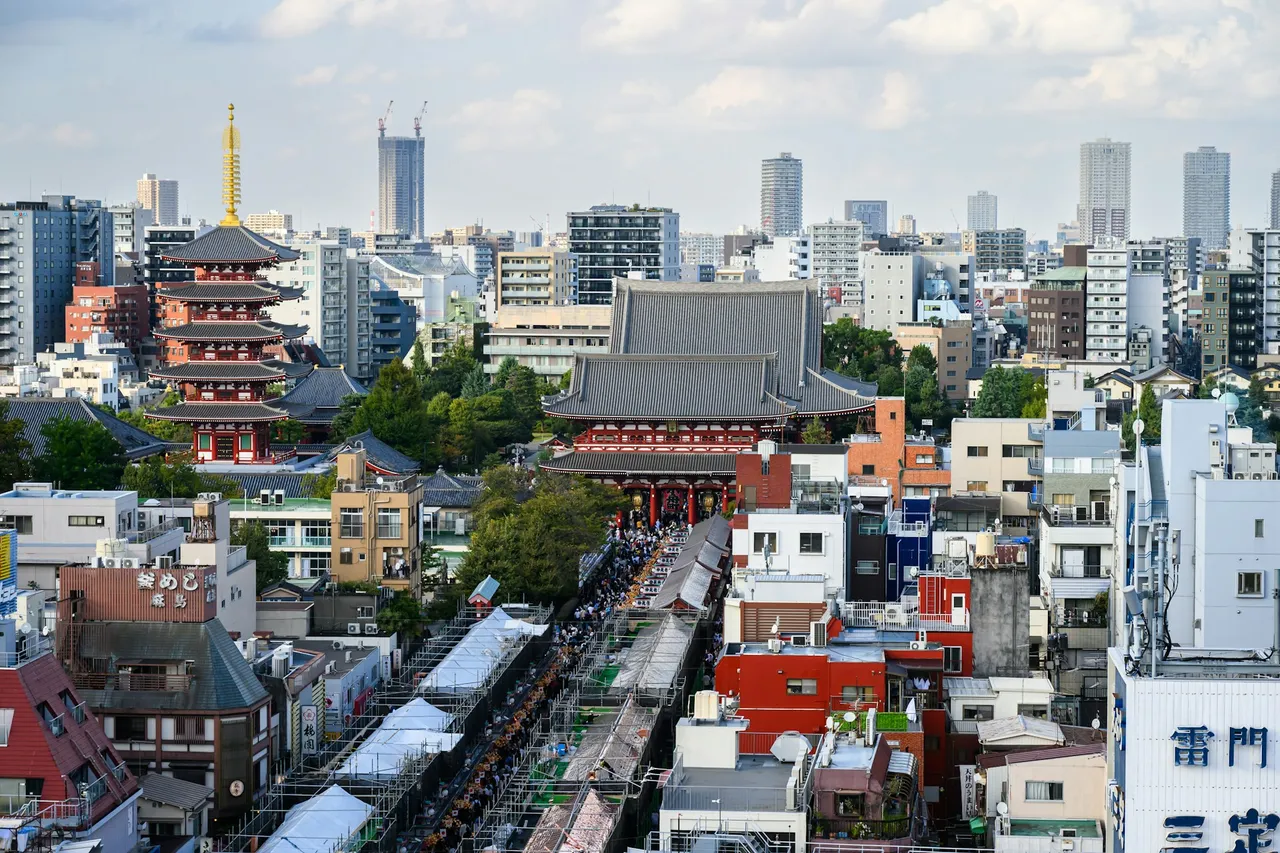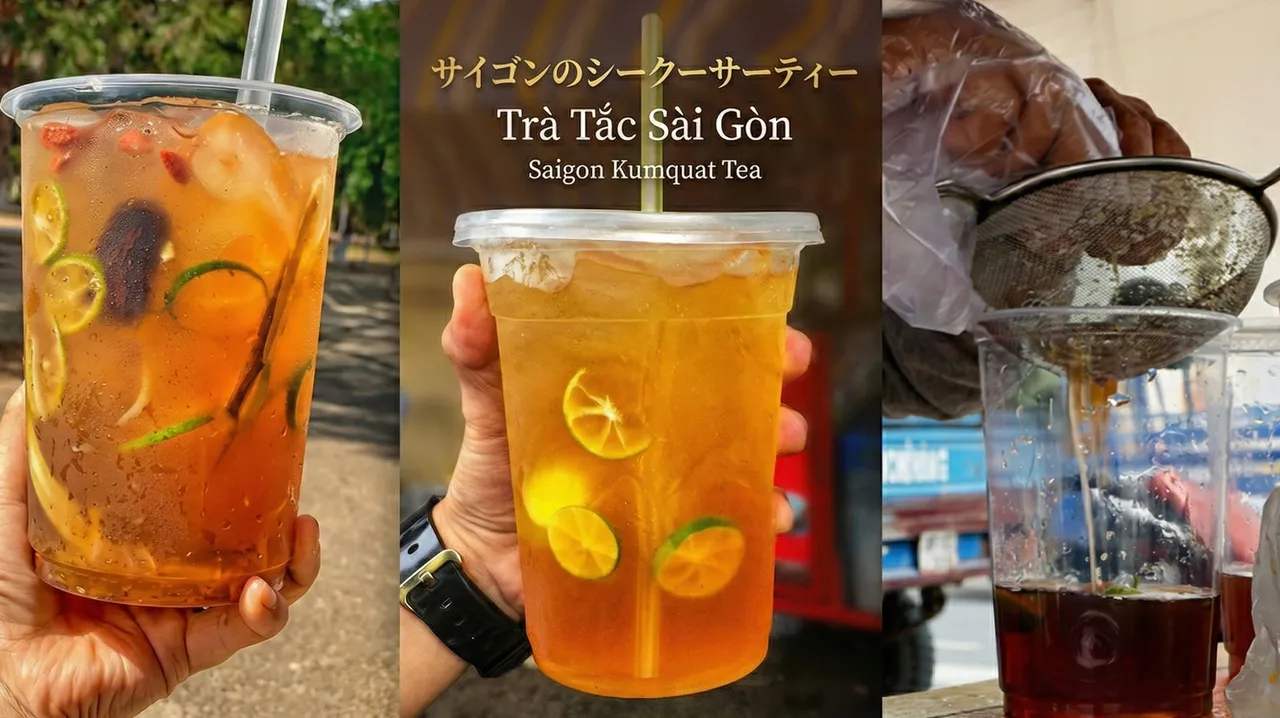
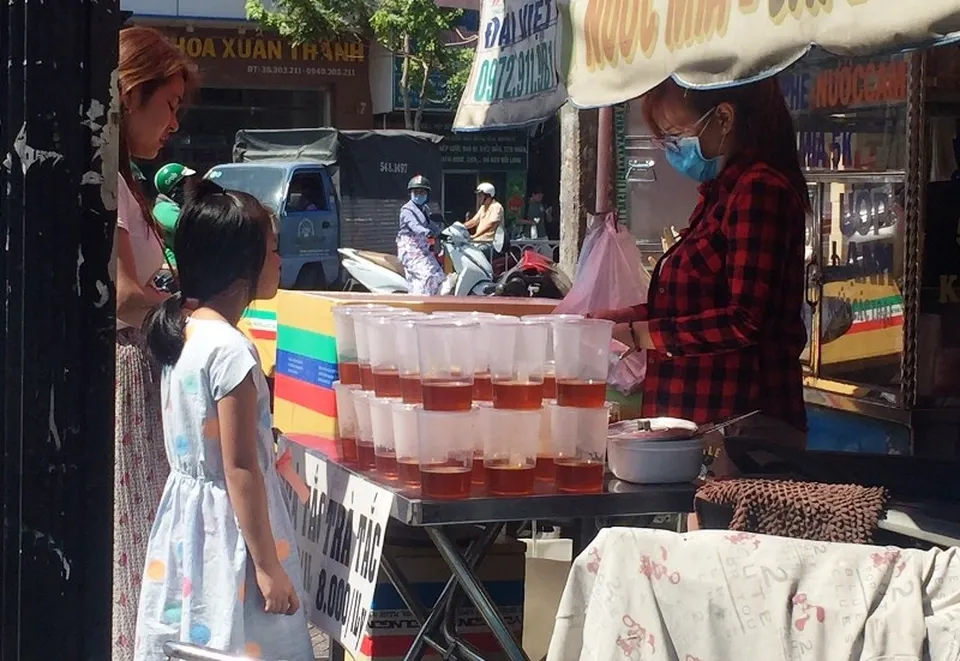
If you ever stroll through the streets of Saigon, the vibrant southern metropolis of Vietnam now officially known as Ho Chi Minh City, on scorching sunny days, you will feel the city's pulse never seems to rest. Amidst the rushing crowds and honking horns, the image of modest beverage carts tucked away at street corners, displaying shimmering golden-orange cups of tea, feels like a soothing low note in a chaotic symphony. This is trà tắc (kumquat tea), a drink that serves not only to quench thirst but also encapsulates a story of personality, generosity, and the Southern philosophy of life.
Adapting to local culture
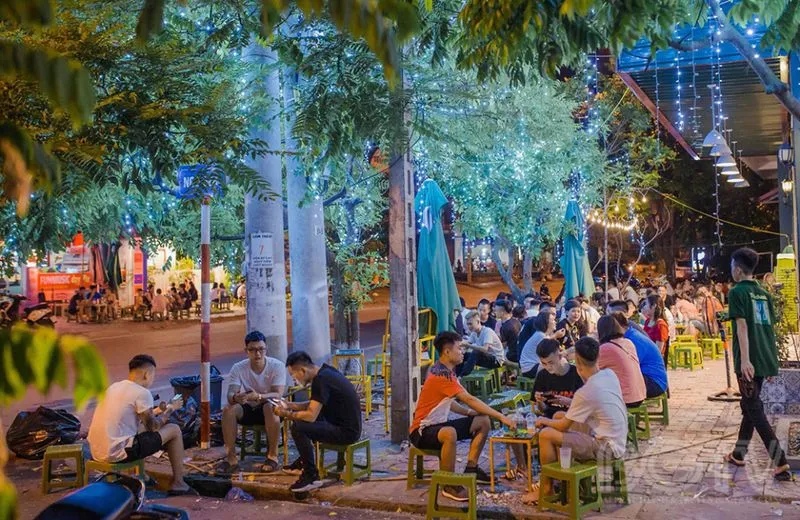
The story of kumquat tea begins with a fascinating journey of cultural migration. Rewind to around 2012-2013, the "lemon tea and chat" trend from Hanoi began moving South, bringing the Northern habit of sidewalk gathering to Saigon. However, when this culture met the year-round hot climate and the generous palate of Southerners, it underwent a natural transformation to blend in [3].
This change was not accidental but reflected the true essence of Vietnamese culture. In the book Basis of Vietnamese Culture, Professor Tran Ngoc Them concluded that the characteristics of agricultural culture are "flexibility" (always adapting to suit circumstances) and an attitude of "inclusiveness" in accepting new things [6, p. 24].
Saigon locals did not accept lemon tea mechanically. Realizing that the sharp sourness of lemon was sometimes insufficient to dispel the sweltering heat and did not quite match the local sweet tooth, vendors replaced it with kumquat (tắc). With its intense aroma from essential oils in the peel and a mild sour taste with a sweet aftertaste, kumquat became the new "soul," creating a version of Saigon kumquat tea that felt both familiar and refreshingly new [3].
The "Giant" tea and humble generosity
Beyond the change in ingredients, Saigon's kumquat tea culture made a strong impression with its "giant" serving style. Around 2018, amidst the face-burning heat of summer, 1-liter cups (often called the giant size) began to appear and quickly covered every alleyway [2].
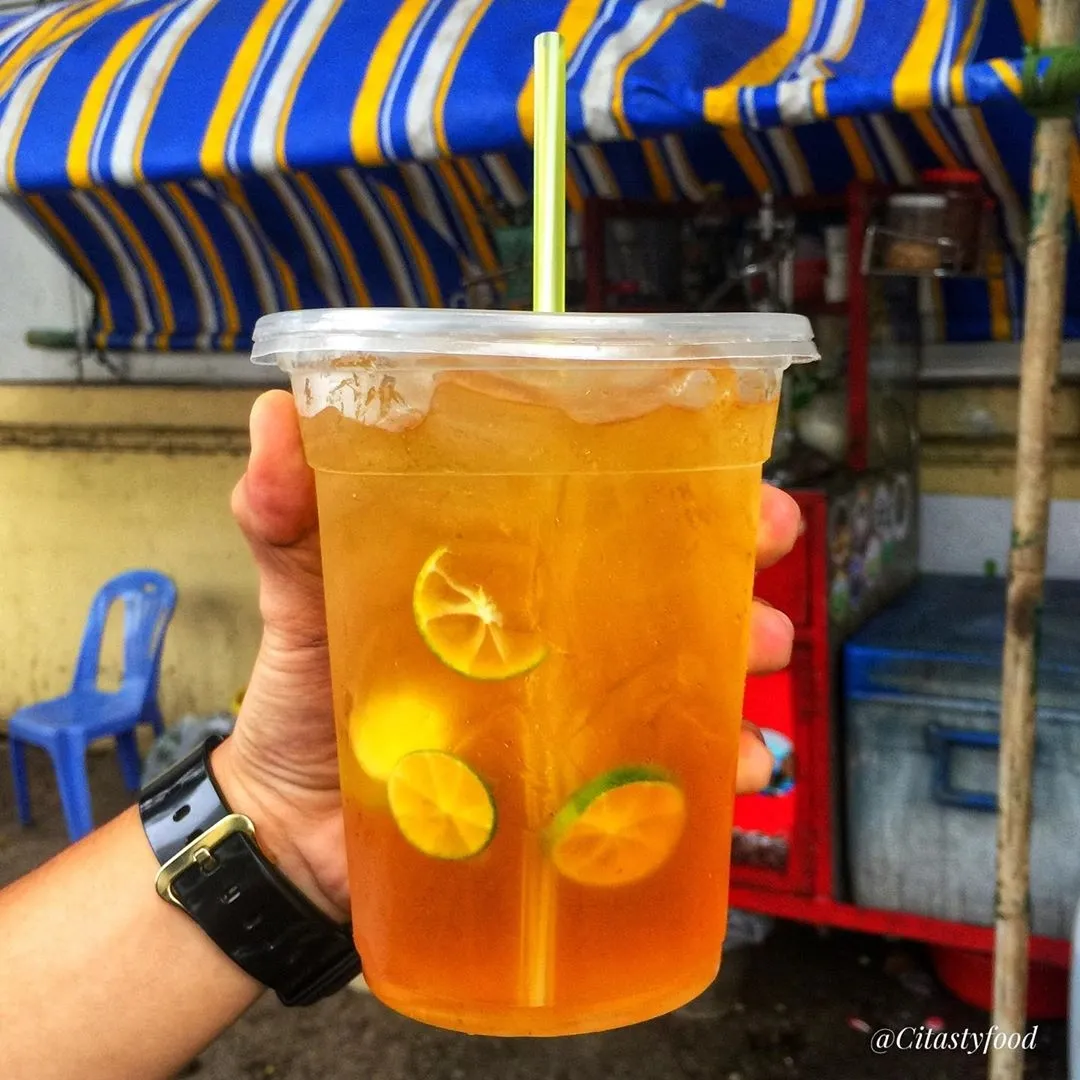
The birth of this size did not seem to stem from elaborate marketing calculations but originated from the humble empathy of vendors for laborers and students. Under the harsh tropical sun, a small cup of water was simply not enough to quench the thirst. The 1-liter tea was born with a very modest price (only about 8,000 - 10,000 VND at that time), embodying the characteristic generosity of Southerners: If you treat someone, it must be plenty; if you drink, it must be satisfying [2].
Over a cup of kumquat tea, all status gaps seem to blur. Whether office workers or laborers, everyone can sit together, enjoying the cool flavor in an open sidewalk space where street food plays the role of connecting people and reflecting the vibrant rhythm of the city [5, pp. 123-137].
A flavor of mindfulness and health protection
Interestingly, hidden behind this rustic drink are scientific values that not everyone knows. When holding a cup of kumquat tea, the first thing we often do is inhale the pleasant scent radiating from the fresh kumquat peel. This feeling of relaxation has a solid scientific basis.
An in-depth study published in the Journal of Food and Drug Analysis (2022) indicated that the aroma from citrus essential oils (specifically the compound g-terpinene found in kumquat/Shikuwasa) can positively affect the nervous system. Smelling this scent helps reduce Beta brainwave activity in the occipital region (a sign of stress), bringing a state of relaxation and reducing anxiety after tiring working hours [1, pp. 454-465].
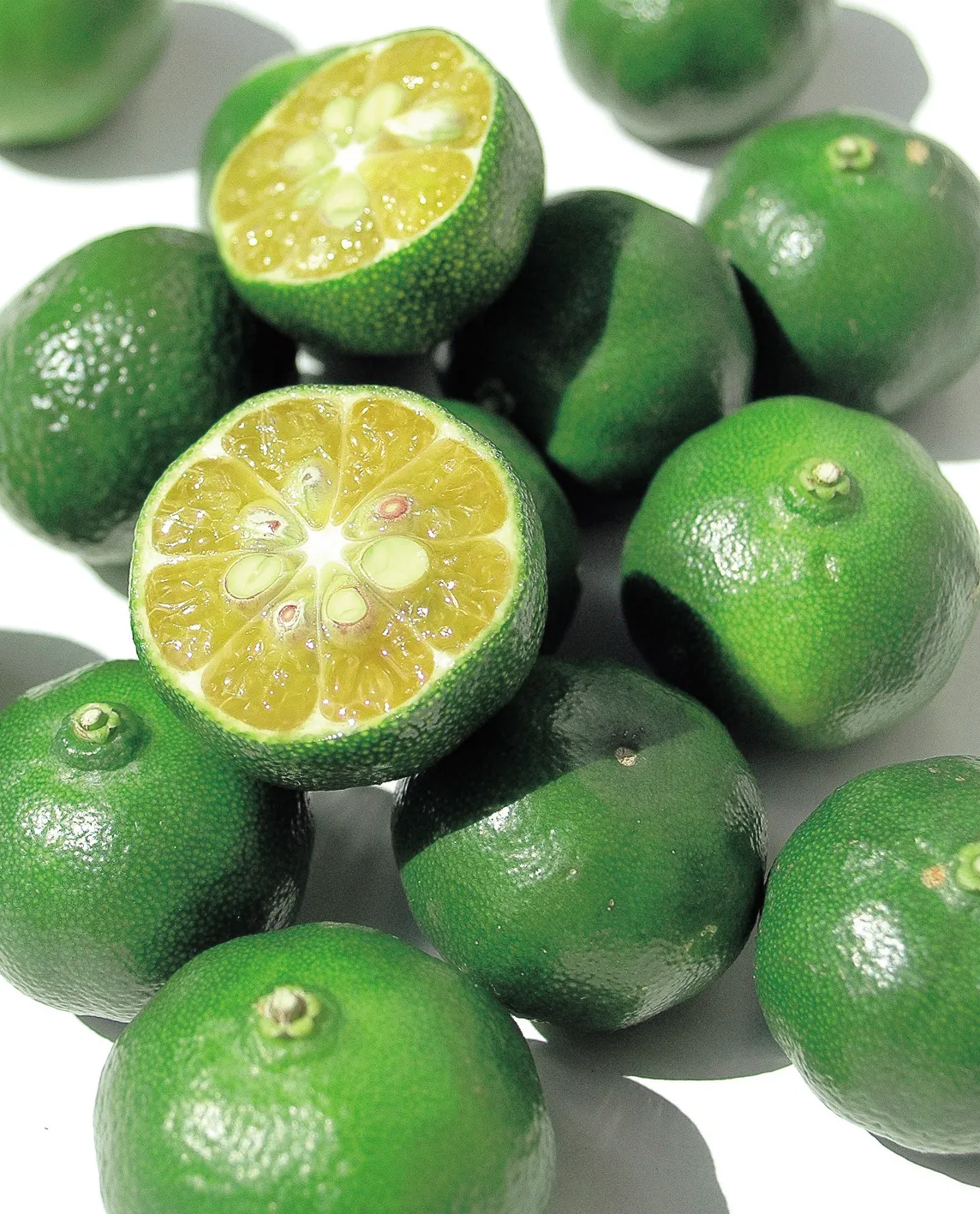
Enjoying kumquat tea, we are not only mentally relaxed but also physically boosted. Vietnamese people often have the habit of soaking the whole peel or crushing the fruit in the tea. This is a very beneficial habit from a medical perspective. Japanese researchers have discovered that extract from kumquat peel (pericarp) significantly activates Natural Killer (NK) cells [4, pp. 1327-1336]. NK cells act as vanguard soldiers in the natural immune system, helping the body fight against virus invasion and harmful agents.
Finding balance
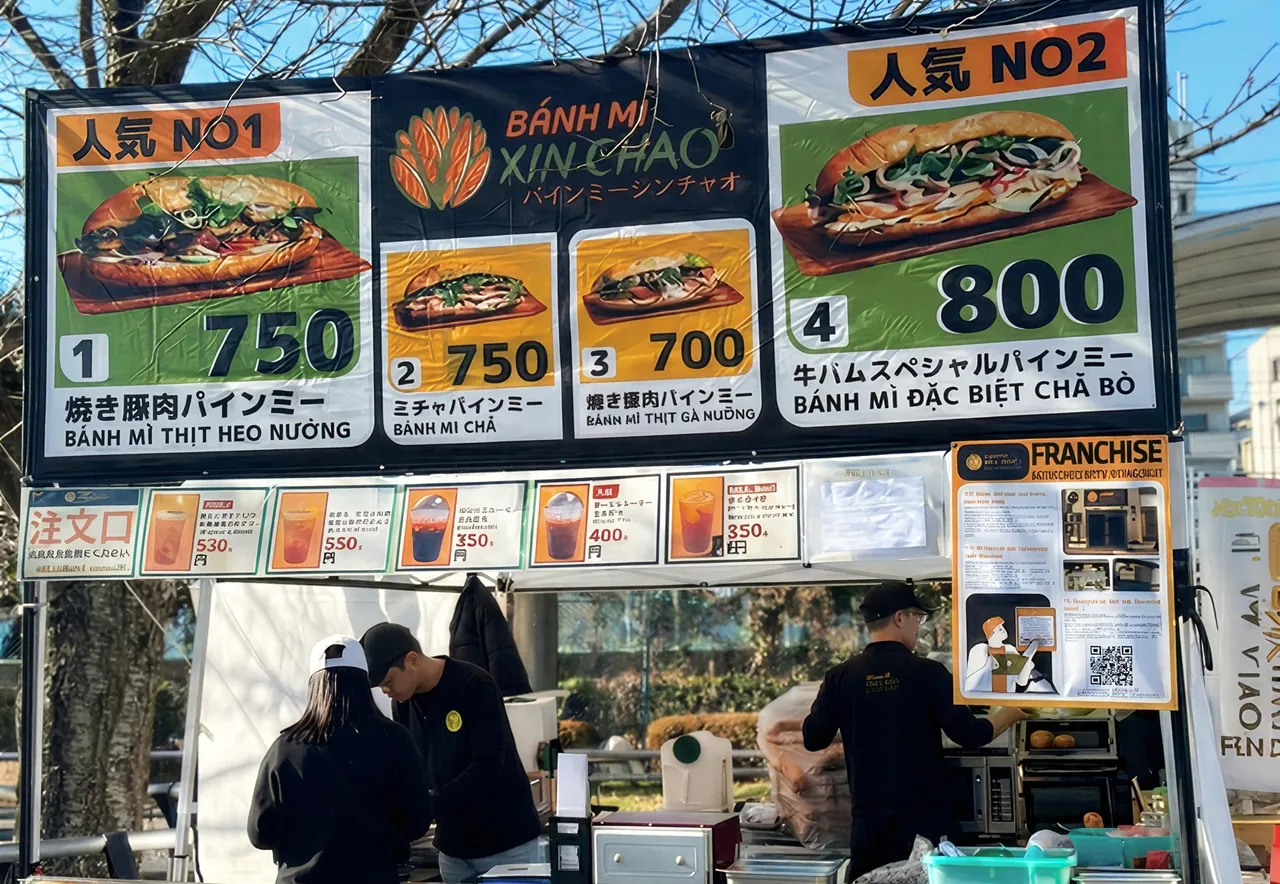
Understanding the value of this simple yet nutritious drink, Banh Mi Xin Chao has introduced Saigon Kumquat Tea to our menu as an indispensable companion to our crispy banh mi.
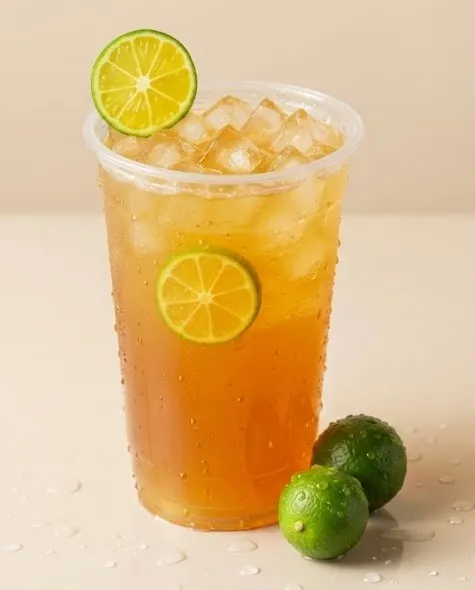
The mild sourness, gentle sweetness, and intense aroma from the kumquat peel not only balance the rich flavor of the meat and pate but also bring an instant refreshing sensation. Enjoying this combo in Japan, you will feel like you are touching a part of the vibrant and generous life of Saigon right here in a foreign land.
References
- Asikin, Y., Shimizu, K., Iwasaki, H., Oku, H., & Wada, K. (2022). Stress amelioration and anti-inflammatory potential of Shiikuwasha (Citrus depressa Hayata) essential oil, limonene, and γ-terpinene. Journal of Food and Drug Analysis, 30(3), 454-465.https://doi.org/10.38212/2224-6614.3414
- Đại Việt (2018, April 10). Nắng "rát mặt", trà tắc 8.000 đồng/ly nở rộ khắp Sài Gòn. Báo Dân Trí.https://dantri.com.vn/kinh-doanh/nang-rat-mat-tra-tac-8000-dong-ly-no-ro-khap-sai-gon-20180410130340546.htm
- Minh Hoa (2013, April 9). Trà chanh Hà Nội giữa Sài Gòn. Tuổi Trẻ Online.https://tuoitre.vn/tra-chanh-ha-noi-giua-sai-gon-542078.htm
- Nagahama, K., Eto, N., Shimojo, T., Kondoh, T., Nakahara, K., Sakakibara, Y., Fukui, K., & Suiko, M. (2015). Effect of kumquat (Fortunella crassifolia) pericarp on natural killer cell activity in vitro and in vivo. Bioscience, Biotechnology, and Biochemistry, 79(8), 1327-1336.https://doi.org/10.1080/09168451.2015.1025033
- Phạm, X. H. & Bùi, X. T. (2019). Phát triển ẩm thực đường phố ở Thành phố Hồ Chí Minh để thu hút khách du lịch quốc tế. Tạp chí Khoa học Trường Đại học Sư phạm TP.HCM, 16(2), 123-137.https://doi.org/10.54607/hcmue.js.16.2.2444(2019)
- Trần, N. T. (1997). Cơ sở văn hóa Việt Nam (2nd ed.). Vietnam: Nhà xuất bản Giáo dục. ISBN: S33661