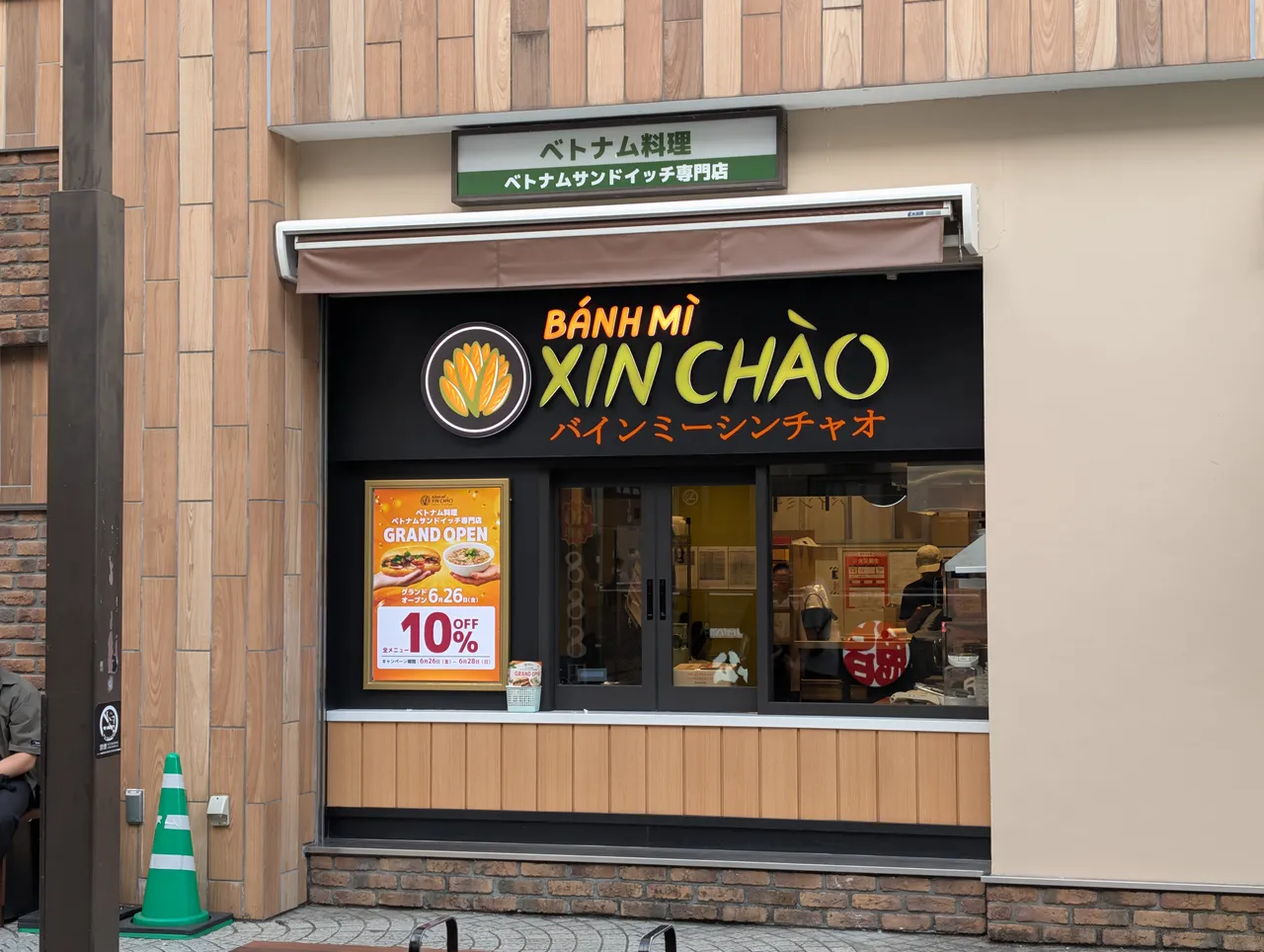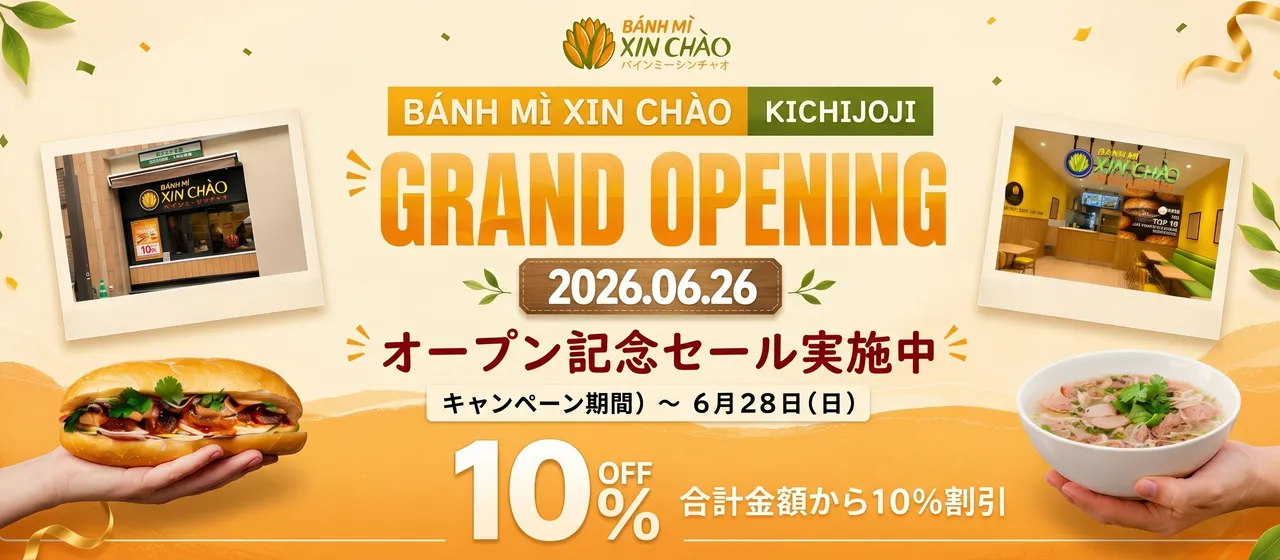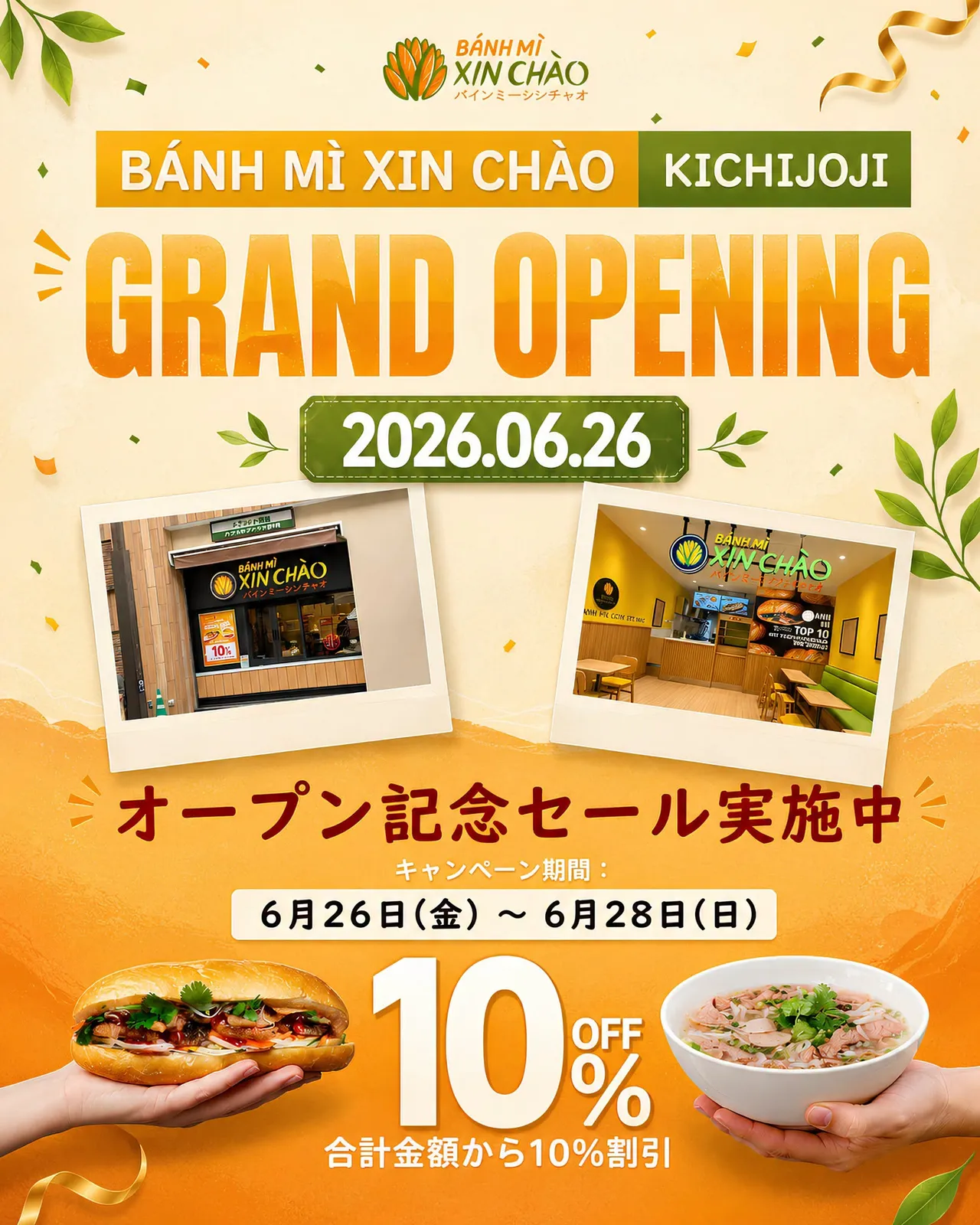
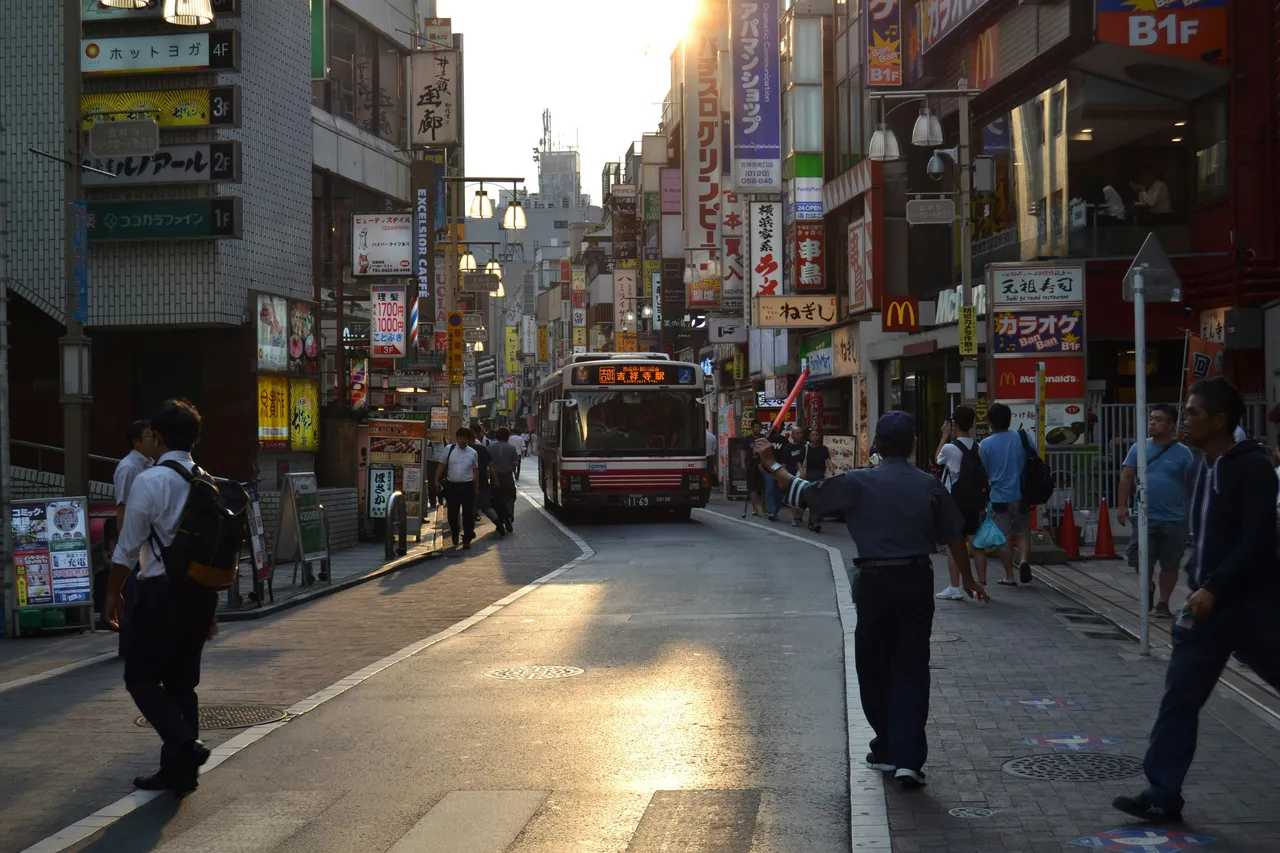
Kichijoji always ranks among the most desirable neighborhoods to live in Tokyo. It captivates passersby not only with its bustling rhythm but also with its deep history and unique urban culture. Today, let's turn the fascinating pages of Kichijoji's history, discover the unexpected connection between the Yokocho alleys and Hanoi's Old Quarter, and welcome a Vietnamese street flavor that has officially arrived in the heart of this area.
Kichijoji and its untold historical stories
Strolling around Kichijoji, few would guess this area carries profound historical upheavals. First, a rather strange fact: there is currently no temple named Kichijoji in Kichijoji. The story began in 1657 when the historic Great Fire of Meireki destroyed most of central Edo, including Kichijoji Temple in the Suidobashi area and the houses of residents living nearby [1][2]. Those who lost their homes were granted land by the Tokugawa Shogunate to relocate to the pristine Musashino plateau. Out of deep attachment and longing for their old hometown, they decided to use the name of the burned-down temple to name this new land, officially birthing Kichijoji village [1][2].
Another invaluable historical heritage is Inokashira Park. The water from Inokashira Pond is the source of the Kanda River, the vital irrigation artery supplying fresh water to all Edo residents [3]. Legend has it that the great shogun Tokugawa Ieyasu personally inspected and praised the pure water here, using it to brew tea, laying the foundation for the name of the groundwater well "Ochanomizu" (meaning "tea water") [3][4]. Following that tradition, the third shogun, Tokugawa Iemitsu, officially named the pond Inokashira, meaning "source of the well" [5].
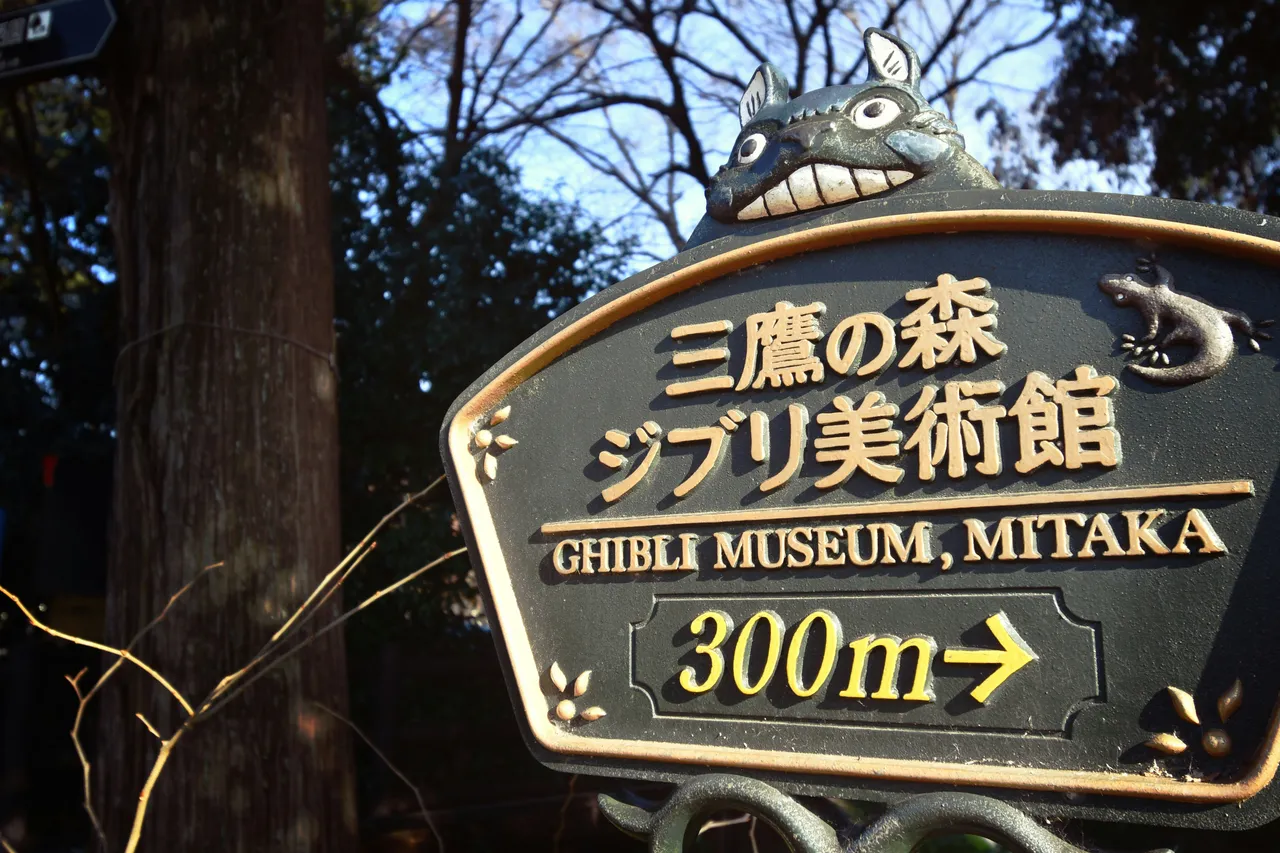
Alongside the ecological greenery, the bustle of Kichijoji's South Exit today owes much to the pioneering vision of the Marui (OIOI) department store. Present in Kichijoji since 1960, Marui's bold investment and later consolidation into a large building right in front of the station created a crucial stepping stone, shaping the vibrant and modern character of the entire main road leading to the park [6][7].
The spatial harmony between Harmonica Yokocho and Hanoi's Old Quarter tube houses
Right in front of Kichijoji Station's North Exit is Harmonica Yokocho, a labyrinth of narrow alleys. This area originated from the black markets (Yamii-chi) right after World War II, where people exchanged goods to survive [8]. The stalls here are extremely small, packed closely together. This special layout led literary critic Katsuichiro Kamei to liken them to the blowholes of a harmonica in a lecture in the early 1960s [8][9]. To protect this trading space from government clearance regulations, merchants took advantage of the Obon holiday (when inspectors took leave) to simultaneously rebuild sturdy wooden frames overnight [8][10].
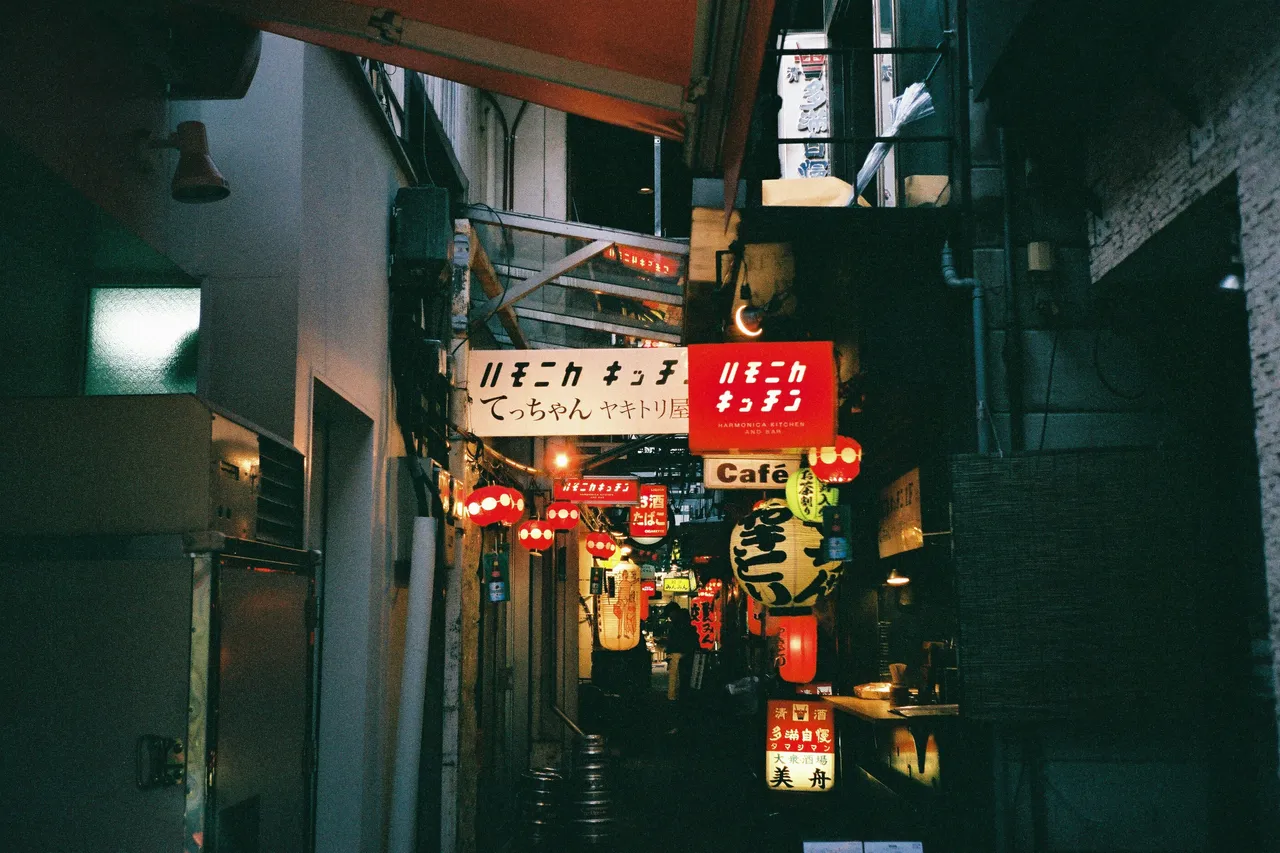
Looking at the cramped yet flexible structure of Harmonica Yokocho, lovers of Vietnamese culture will find a surprising harmony with the tube house architecture in Hanoi's Old Quarter. Both are testaments to human creativity in the face of limited urban space. In Hanoi, tube house architecture historically stemmed from tax policies based on facade width [11]. To bypass the law and reduce the tax burden, residents were forced to build houses with very narrow facades (only about 3-4 meters) that stretched deep inside, sometimes up to 50 meters [12].
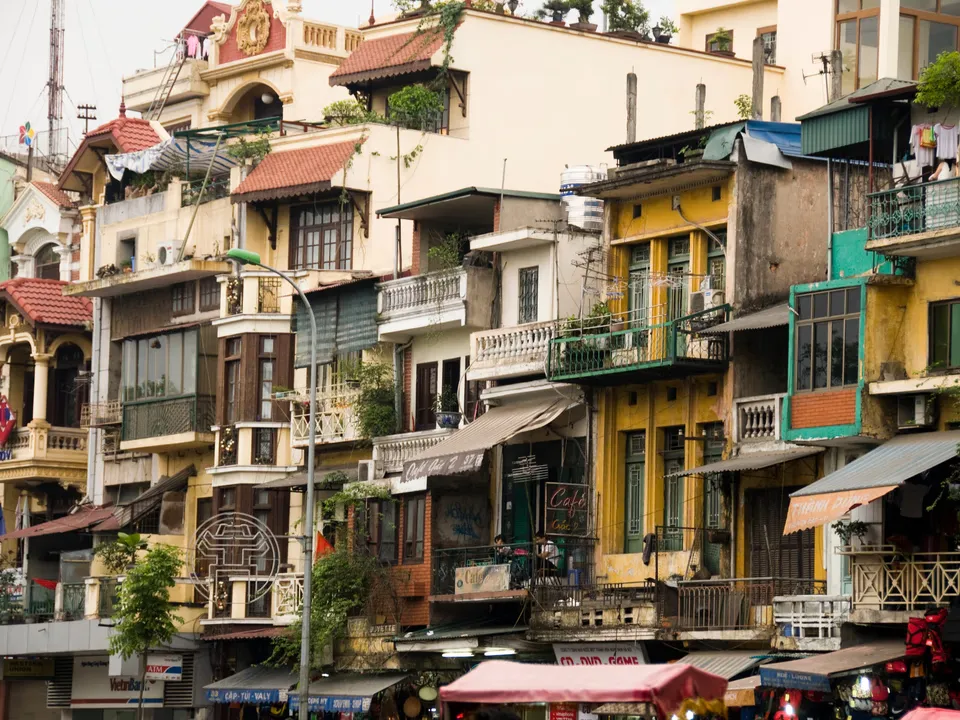
The most charming aspect of both architectural styles is the blurring of boundaries between private and public space. The beauty of Hanoi's Old Quarter lies in its "sidewalk culture," where the facades of tube houses open wide to the street, turning the sidewalk into an extended living room for commerce and community interaction [13]. Similarly in Harmonica Yokocho, diners standing to drink beer and eat spill out into the narrow alley, shoulder to shoulder, creating an intimate atmosphere that breaks down all social barriers.
Bánh Mì Xin Chào officially opens at OIOI Kichijoji
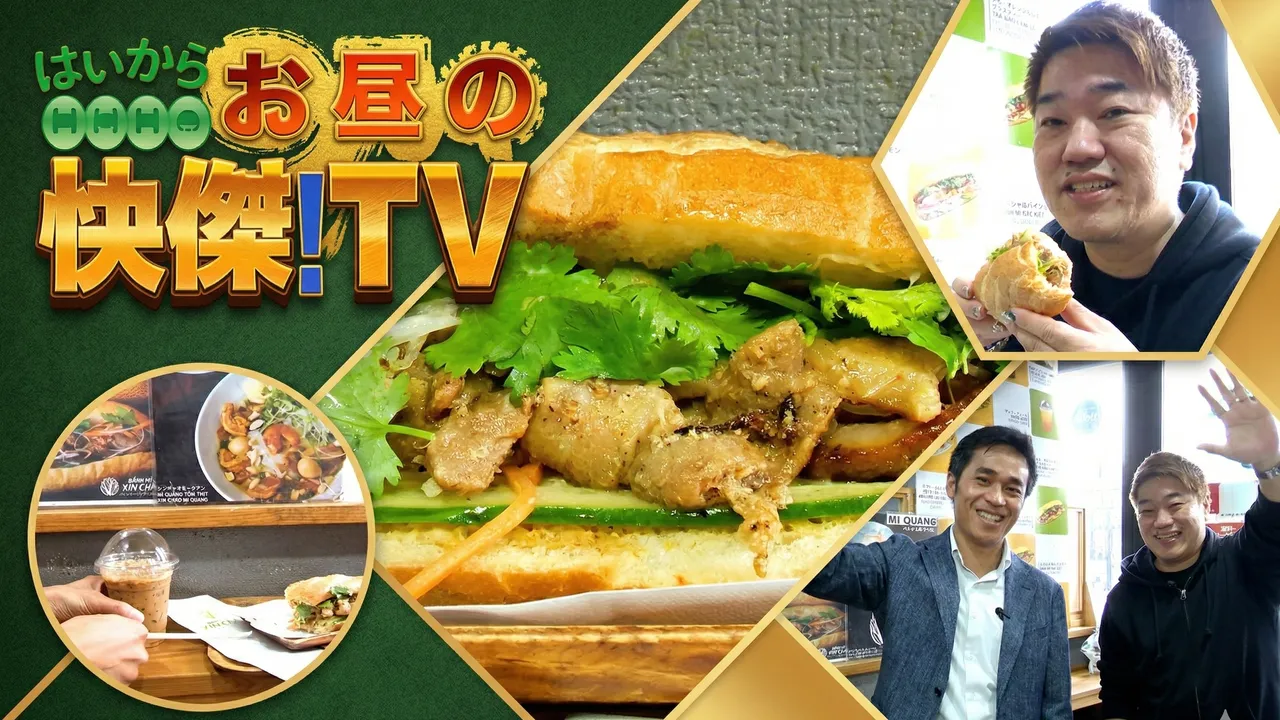
This very harmony in space and urban culture makes Kichijoji a destination that brings many familiar emotions. Continuing that wonderful spirit of cultural intersection, on June 26, 2026, the Bánh Mì Xin Chào brand officially opened a new branch right on the 1st floor of the OIOI Kichijoji department store.
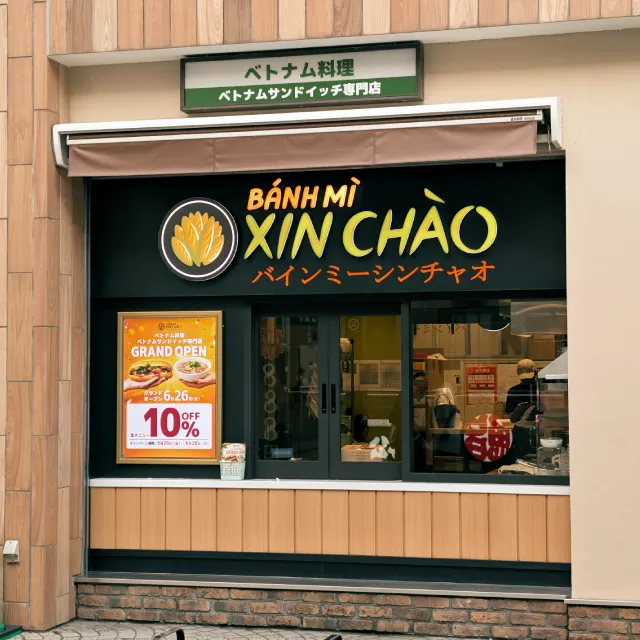
Vietnamese banh mi is inherently a dish born from the streets, growing up alongside bustling sidewalks. Bringing the crispy banh mi into the upscale space of Kichijoji not only aims to increase diversity in the area's already rich culinary scene but also to create a high-quality rest stop. Whether you are a tourist enthusiastically exploring Inokashira Park, a Japanese local seeking a new Southeast Asian flavor, or a Vietnamese resident in Tokyo needing an energy boost, the store is always ready to welcome you with the warmest hospitality.
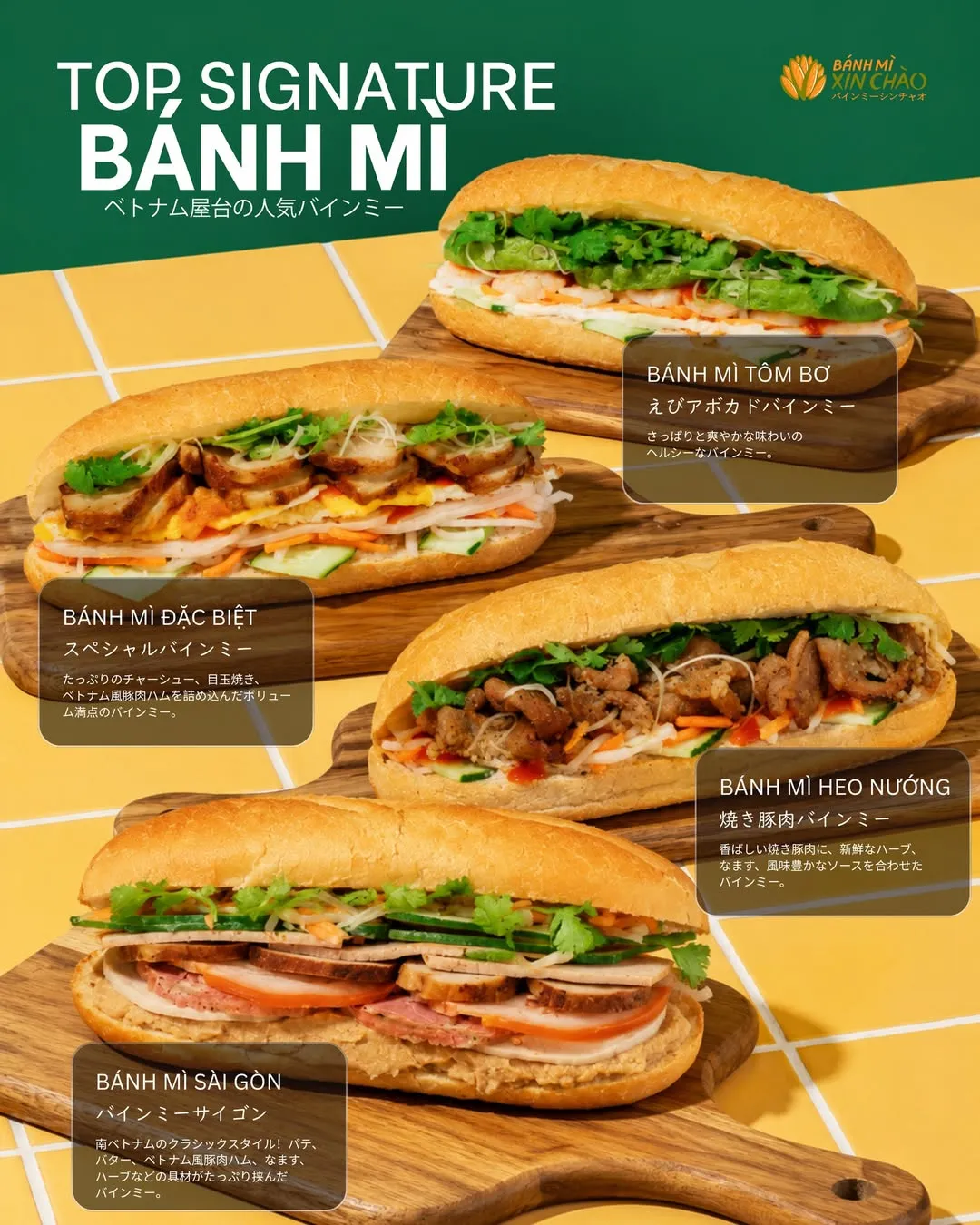
Visit Bánh Mì Xin Chào at OIOI Kichijoji to enjoy a flavorful banh mi, and continue your journey experiencing the beautiful historical slices of Kichijoji!
References
- Wikipedia contributors (2004, May 7). Kichijōji. Wikipedia, The Free Encyclopedia.https://en.wikipedia.org/wiki/Kichij%C5%8Dji
- Edo Flourishing (2018, October 8). Kichijojimura village Musashino.https://edoflourishing.blogspot.com/2018/10/kichijojimura-village-musashino.html
- IHCSA Cafe (2022, June 24). Waterways of Edo (Tamagawa Josui).https://ihcsacafe-en.ihcsa.or.jp/news/josui/
- Grokipedia contributors (2026, January 17). Ochanomizu. Grokipedia.https://grokipedia.com/page/Ochanomizu
- Tokyo Metropolitan Government (2017, May 1). Inokashira Park Overview.https://www.kensetsu.metro.tokyo.lg.jp/documents/d/kensetsu/000028695
- Marui Group Co., Ltd. (2021, March 31). History of Marui Group.https://www.0101maruigroup.co.jp/en/ci/history/
- Mu-navi (2023, February 21). 丸井吉祥寺店の歴史.https://mu-navi.com/kichijoji-oldshoppingcenter/
- Wikipedia contributors (2010, September 23). ハーモニカ横丁. Wikipedia.https://ja.wikipedia.org/wiki/ハーモニカ横丁
- Collaborative Reference Database (2020, March 24). Origin of the name Harmonica Yokocho.https://crd.ndl.go.jp/reference/entry/index.php?page=ref_view&id=1000289566
- Hot Pepper (2018, December 14). ハモニカ横丁 歴史.https://www.hotpepper.jp/mesitsu/entry/kaori-masuyama/18-00245
- Tạp chí Kiến trúc (2018, April 18). Sự phát triển kinh tế xã hội của khu phố cổ Hà Nội.https://www.tapchikientruc.com.vn/chuyen-muc/su-phat-trien-kinh-te-xa-hoi-cua-khu-pho-co-ha-noi.html
- Dân Trí (2022, April 4). Kiểu nhà ống độc đáo ở phố cổ Việt Nam lên báo Mỹ.https://dantri.com.vn/du-lich/kieu-nha-ong-doc-dao-o-pho-co-viet-nam-len-bao-my-20220404095602975.htm
- Báo Nhân Dân (2020, December 18). Mỏ vàng mặt phố trong dòng chảy đô thị.https://nhandan.vn/mo-vang-mat-pho-trong-dong-chay-do-thi-post628574.html